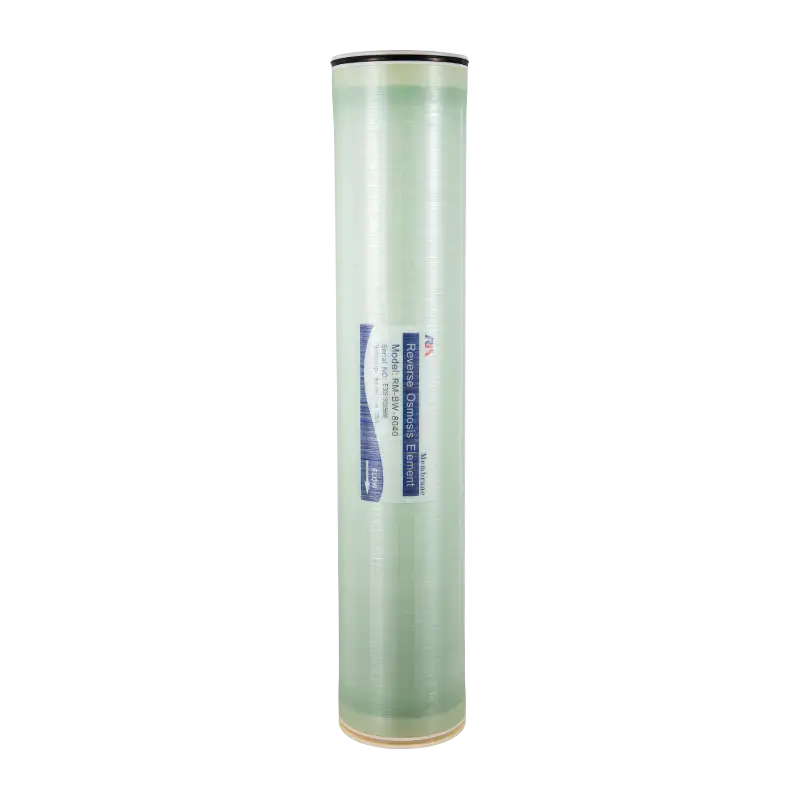
Modern liquid purification engineering demands versatile separation boundaries capable of distinguishing between microscopic ionic solutes and large organic molecules. Facility managers constantly evaluate specialized polymer networks to optimize fluid treatment processes across diverse factory settings and municipal utility networks. Integrating a reliable NF membrane into a purification train provides precise molecular weight cut-offs without requiring full-scale desalination pressures. Understanding these intermediate filtration dynamics empowers technical teams to handle complex water chemistry challenges effectively.
Fundamentals of Selective Molecular Separation
Intermediate filtration science relies on a unique combination of size exclusion and electrostatic charge repulsion principles. Divalent and multivalent ions encounter substantial electrical resistance when approaching the surface of a specialized NF membrane, while monovalent salts pass through smoothly. Fluid dynamics specialists analyze cross-flow velocity metrics to ensure that dissolved minerals remain evenly distributed across active filtration modules. Proper hydraulic management prevents localized concentration polarization from disrupting daily separation performance.
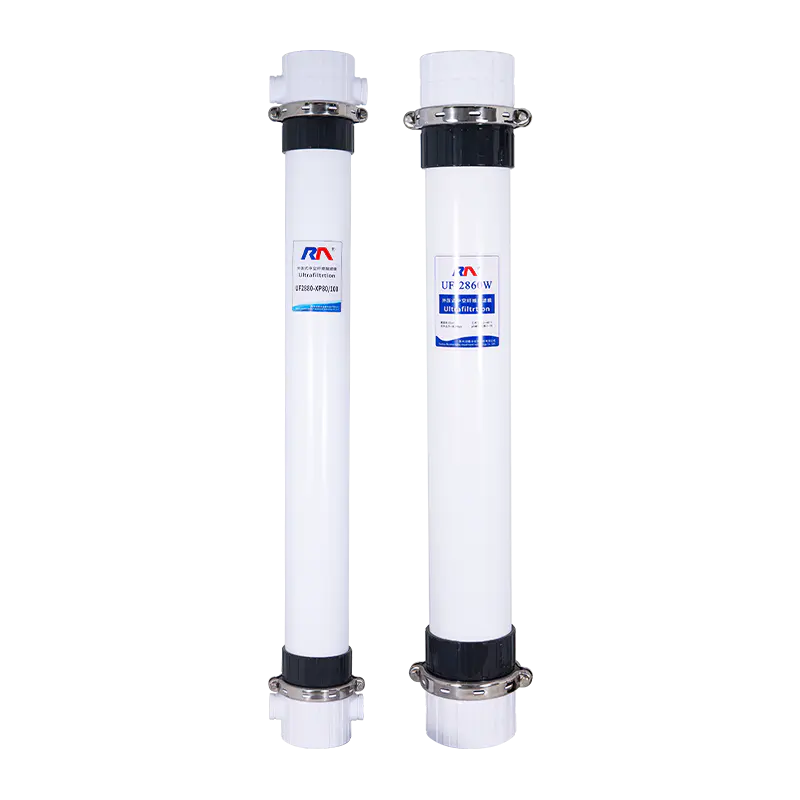
The selective behavior of nanofiltration—removing divalent ions while allowing monovalent salts to pass—makes it particularly useful for applications where complete demineralization is unnecessary. Our NF membrane elements are engineered to maintain consistent rejection performance across a range of feedwater conditions, helping plant operators achieve stable separation without the high energy consumption of reverse osmosis.
Microscopic pore distribution networks within advanced polymer matrices determine the exact retention profile for each individual element during operation. Laboratory testing confirms that these specialized barrier layers separate organic fractions efficiently while allowing targeted ionic species to migrate across. Monitoring transmembrane pressure differentials helps plant technicians detect early signs of fouling and maintain consistent fluid productivity.
Enhancing Municipal Drinking Water Quality
Public water authorities face increasing pressure to eliminate natural organic matter and micropollutants from surface water reservoirs before distribution. Advanced polymer barriers intercept humic substances and aquatic macromolecules effectively, preventing unwanted chemical reactions during secondary disinfection stages. Deploying a high-performance NF membrane significantly reduces the formation of harmful disinfection byproducts in finished municipal drinking water supplies. Public health officials prioritize these intermediate separation tools to safeguard community welfare across regional supply networks.
The ability to remove organic precursors without stripping essential minerals gives nanofiltration a practical advantage over reverse osmosis in many drinking water applications. Our NF elements are designed to provide stable organic removal while preserving the mineral balance required for palatable drinking water, making them a practical choice for municipal treatment plants seeking improved water quality without over-treatment.
Intercepting precursors of dangerous chemical compounds requires stable surface charge properties and high structural hydrophilicity across active element layers. Analytical testing demonstrates that advanced polymer matrices achieve remarkable retention rates for diverse organic pollutants found in raw water sources. Municipal authorities rely on these specialized filtration tools to meet strict regulatory drinking water compliance standards effortlessly.
Food Processing and Beverage Manufacturing Applications
Beverage bottling plants and food processing facilities demand high-purity ingredient water to maintain consistent product taste and safety profiles. Municipal water supplies frequently contain trace minerals or residual chlorination byproducts that alter commercial beverage flavor characteristics negatively. Dedicated filtration units remove unwanted compounds while preserving beneficial mineral balances where mandated by strict product recipes. Clean process water prevents microbial spoilage and extends the shelf life of packaged food products significantly.
The selective mineral retention of nanofiltration makes it particularly suitable for food and beverage applications where complete demineralization would alter taste or product characteristics. The NF membrane elements are designed for consistent organic and divalent ion removal while preserving the mineral profile required for product formulation, helping producers maintain quality without over-treatment.
Dairy processing and sugar refining operations also utilize advanced membrane separation to concentrate liquid food streams efficiently. Custom polymer configurations handle high-viscosity organic solutions without experiencing rapid fouling or flux decline during continuous production runs. Food safety standards depend heavily on reliable sanitary filtration hardware across global manufacturing lines.
Industrial Effluent Treatment and Water Reclamation
Manufacturing facilities generate complex wastewater streams containing aggressive chemical solvents, heavy metals, and high concentrations of dissolved mineral salts. Environmental regulations compel factory operators to treat industrial effluent thoroughly before discharging liquid waste into local municipal waterways. Advanced separation technologies enable facilities to recover valuable chemical byproducts while concentrating residual waste streams effectively. Strategic fluid management helps plants comply with strict environmental mandates and conserve regional water resources.
Nanofiltration’s ability to separate divalent ions from monovalent salts makes it useful in industrial effluent treatment, where selective removal of hardness and heavy metals can significantly reduce the burden on downstream reverse osmosis systems.
Managing difficult industrial wastewater requires durable polymer materials capable of withstanding harsh chemical cleaning solutions safely. Specialized filtration components resist oxidative degradation when exposed to aggressive disinfectants during routine maintenance washing cycles. Industrial processors achieve long-term environmental compliance without compromising daily manufacturing productivity or operational stability.
Conclusion
Advanced liquid purification relies on sophisticated separation components that bridge the gap between loose clarification and tight desalination. At Runmo, we specialize in the technical development and production of high-performance polymer solutions, including the advanced NF membrane. Our manufacturing expertise encompasses tailored product customisation, rigorous quality control, and comprehensive engineering support for municipal and industrial projects. Contact our technical advisory team today to discuss custom separation configurations for your upcoming fluid treatment initiatives.