Brackish water sits between freshwater and seawater in terms of salinity, but its treatment requirements can vary considerably from one source to another. Groundwater, surface water, municipal supplies, and industrial streams may all have different dissolved-solids levels and fouling characteristics. For facilities dealing with this type of feed water, BWRO provides a membrane-based approach to reducing dissolved salts and producing water suitable for further use.
At Runmo, we approach brackish-water treatment by looking beyond salinity alone. Feed-water quality, required permeate production, target rejection, operating pressure, pretreatment, and the intended application all influence the appropriate membrane and system configuration.

What Does BWRO Mean?
BWRO stands for Brackish Water Reverse Osmosis. Like other RO processes, it uses pressure to drive water through a semipermeable membrane while retaining a significant proportion of dissolved salts and other substances.
The key difference is the type of feed water for which the system is designed. Brackish water generally has a lower salt concentration than seawater, so a seawater RO configuration is not automatically the most appropriate choice.
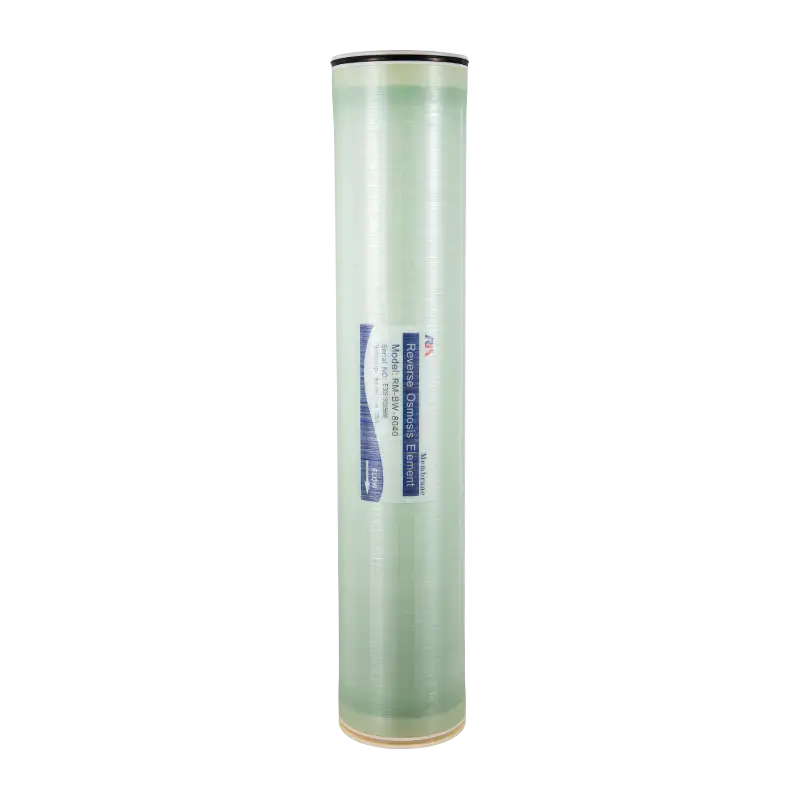
Our BW membrane series is an aromatic polyamide composite membrane element developed for brackish-water desalination. Runmo states that the series is suitable for surface water, groundwater, tap water, and municipal water with salt content below 10,000 ppm.
Why Is Feed-Water Analysis Important?
A project should not select a membrane simply because the water is described as “brackish.” Two sources with similar TDS can behave differently because of temperature, pH, hardness, organic matter, suspended solids, and other characteristics.
When selecting a membrane, we recommend considering TDS, temperature, pH, required permeate flow, target rejection rate, and operating pressure. Customers can also provide a water analysis report so our technical team can make a more specific recommendation.
Pretreatment is another important consideration. Controlling suspended solids and other substances before the RO stage can help create more suitable operating conditions and reduce the risk of membrane fouling.
Where Is BWRO Commonly Used?
The flexibility of brackish-water RO makes it relevant to several industries. The treatment objective may be desalination for direct process use, preparation of higher-purity water, or treatment of a water stream before another purification stage.
Industrial Pure Water
Industrial facilities often need water with controlled dissolved-solids levels for manufacturing and utility processes. Our BW series is used for industrial pure-water production and can be incorporated into treatment systems where dissolved salts need to be reduced.
The BW series is also used for high-purity water production in the electronics and power industries, where it provides high performance in removing soluble salts, TOC, and SiO₂.
Power Plant Boiler Feed Water
Boiler systems require controlled feed-water quality to support reliable operation. BWRO can serve as a desalination stage before downstream treatment or boiler use.
Our BW membrane series is listed for boiler feed-water applications in power plants. The final treatment sequence still needs to be designed around the actual source-water characteristics and required water quality.
Food and Beverage Manufacturing
Water quality can directly affect manufacturing processes in the food and beverage sector. Our BW series is also listed for beverage water manufacturing, making brackish-water RO relevant where source water requires dissolved-solids reduction before production use.
Saline Wastewater Treatment
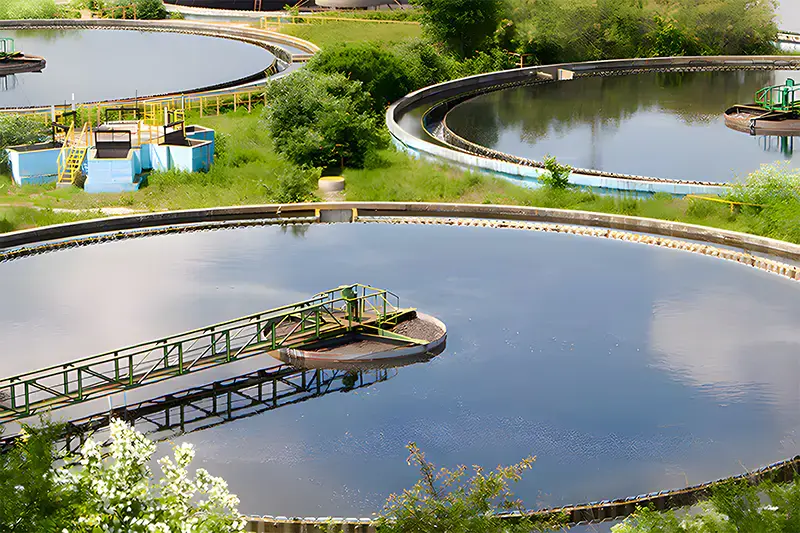
Some industrial wastewater streams contain substantial concentrations of dissolved salts. BWRO can be considered as part of a broader treatment process for brackish or saline wastewater, depending on the wastewater composition and recovery objective.
For these applications, we recommend analyzing the wastewater before selecting the membrane. A treatment system designed for ordinary groundwater should not automatically be transferred to a more complex industrial wastewater stream.
How Should Companies Approach BWRO System Design?
Choosing the membrane is only one part of a successful RO installation. Pump selection, pretreatment, membrane loading, recovery, monitoring, cleaning, and downstream treatment all affect system performance.
This is where our technical services become important. At Runmo, we provide support from water-quality assessment and membrane selection through system design and engineering implementation. Our service approach is intended to connect membrane characteristics with the actual requirements of the customer’s project rather than treating the membrane as an isolated component.
Our FAQ also states that we can provide customized membrane solutions, including specific dimensions, housing designs, and performance characteristics, as well as OEM/ODM services for system integrators and distributors.
How Does Runmo Support BWRO Projects?
Our broader membrane portfolio includes ULP, BW, SW, NF, PAN UF, and PVDF UF products. This allows us to consider different membrane technologies when a project includes multiple treatment stages rather than assuming that every application requires the same RO product.
We also provide technical support after product selection. Our services include system design consultation, membrane projection simulation, troubleshooting guidance, and after-sales support. We can therefore work with customers at different stages, from initial membrane selection to system operation.
Why Work With Runmo?
At Runmo, we are Suzhou Runmo Water Treatment Technology Co., Ltd., a professional manufacturer specializing in reverse osmosis membranes, ultrafiltration membranes, and polymer membrane technologies. We have an independent R&D system and automated production lines, with annual production capacity of more than 800,000 membrane products and more than 40 patents. We provide products and technical support to more than 60 countries.
Our vertically integrated manufacturing model covers membrane-material preparation through finished membrane assembly. Combined with product customization and technical services, this gives us the flexibility to support both standard membrane requirements and more application-specific projects.
If you are evaluating BWRO for industrial pure water, boiler feed water, beverage production, or saline-water treatment, contact us with your water analysis and project requirements. We can help assess the appropriate membrane technology, system configuration, and technical support for your application.