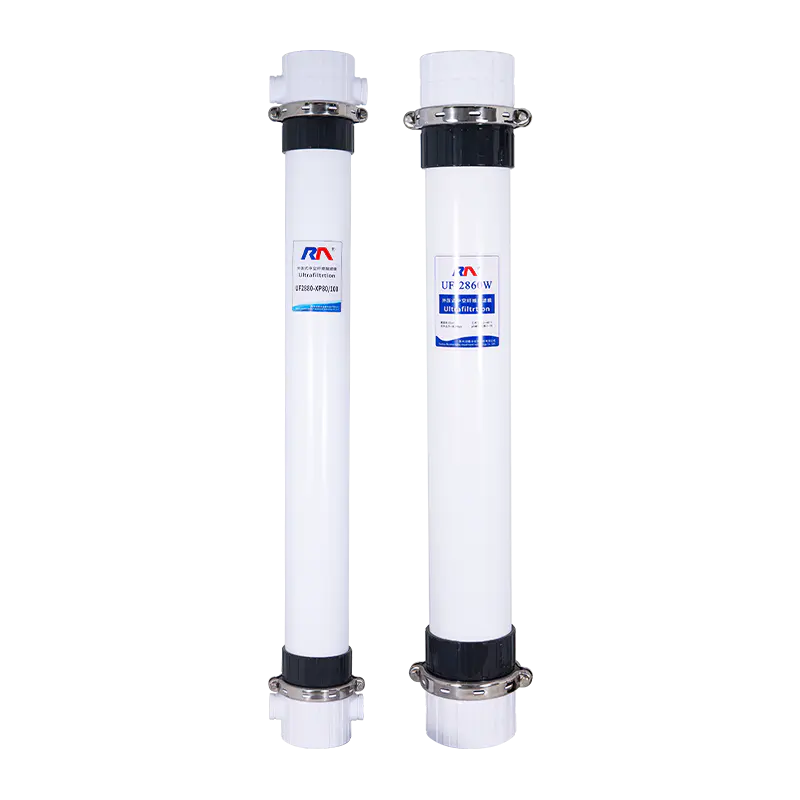
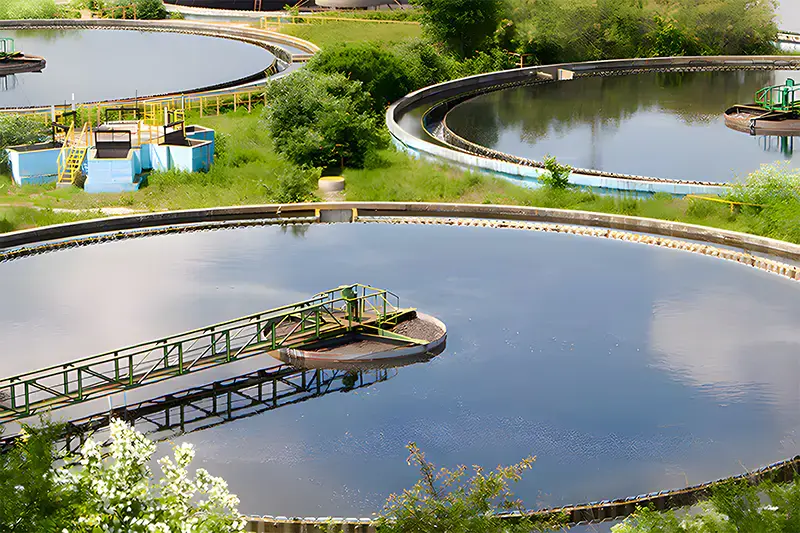
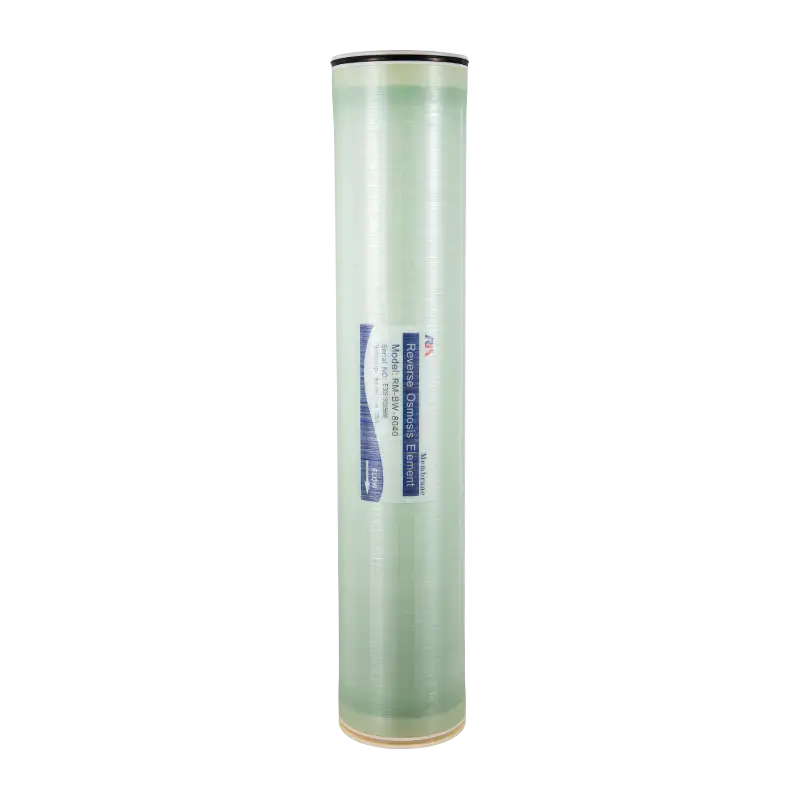
Municipal authorities and environmental scientists constantly face complex hurdles regarding suspended pollutant removal and microbiological safety across aquatic ecosystems. Selecting appropriate synthetic polymer barriers determines how effectively large-scale infrastructure handles challenging raw water purification tasks. Collaborating with a professional ultrafiltration membrane manufacturer provides technical teams with specialized separation modules engineered for severe operating environments. Exploring foundational hollow fiber mechanics empowers facility managers to optimize fluid recovery rates while enhancing overall system reliability.
Fluid Dynamics and Hydrodynamic Pressure Mechanics
Pressure-driven liquid separation relies on forcing raw aqueous streams through microscopic pore networks embedded within hollow fiber polymer walls. Suspended solid particles, colloidal matter, and high-molecular-weight biological pathogens remain trapped outside while clean permeate flows inward. Managing cross-flow velocities across active filtration layers prevents localized concentration polarization from damaging fragile membrane structures during operation. Plant technicians monitor operating pressure differentials closely to maintain optimal hydraulic throughput across continuous production shifts.
Balancing feed water velocity with membrane permeability maximizes liquid recovery rates without triggering accelerated surface scaling events on active fibers. Technical design specifications dictate that fluid distribution channels must remain clear of physical obstructions to ensure uniform flow distribution. Proper hydrodynamic management extends component lifespans significantly across demanding municipal and industrial fluid processing environments.
Polymer Material Science and Chemical Resistance
Advanced polymer chemistry yields sophisticated composite barriers capable of withstanding extreme chemical cleaning cycles without losing structural integrity. Polyvinylidene fluoride serves as a premier material choice due to its remarkable resistance to aggressive oxidative sanitizing agents. Interfacial manufacturing techniques create robust active surfaces that tolerate high concentrations of sodium hypochlorite during routine maintenance washing. Selecting appropriate polymer matrix formulations determines the long-term chemical resistance and structural durability of filtration elements.
Rigorous quality control during production ensures uniform pore distribution networks across every individual hollow fiber membrane filament. These microscopic structural optimizations allow facility operators to maintain high permeability performance even under fluctuating feed water conditions. Material science innovations continue to bridge the gap between high productivity and chemical resistance in modern separation systems.
Oxidant Cleaning Resilience and Microbial Control
Routine maintenance washing requires introducing strong oxidizing agents to eradicate stubborn biological fouling and microbial films from active surfaces. Polyvinylidene fluoride demonstrates exceptional resilience against chemical degradation, withstanding oxidant exposure levels many times greater than alternative polymers. This enhanced chemical stability allows facility operators to utilize aggressive disinfection protocols safely without accelerating material aging. Preventing oxidative breakdown protects the underlying polymer matrix from premature structural failure during extended service cycles.
Sanitizing membrane modules effectively without compromising mechanical strength reduces the frequency of unexpected component replacement interventions. Technical teams rely on chemically stable filtration barriers to maintain consistent water flux rates across multi-year operating windows. Long-term field evaluations confirm that resilient polymer components sustain high operational reliability in challenging municipal wastewater environments.
Mechanical Flexibility and Filament Breakage Mitigation
Physical durability remains a paramount consideration when engineers design high-flow municipal and industrial liquid processing units. Flexible membrane filaments absorb mechanical stress effectively during pressurized backwashing and continuous air scouring routines. This inherent flexibility reduces physical snapping rates significantly compared to brittle alternative polymers deployed historically in filtration systems. Field investigation results demonstrate that modern hollow fiber configurations maintain exceptionally low fiber breakage frequencies over extended lifespans.
Minimizing fiber breakage protects downstream polishing units from particulate contamination and untreated raw water breakthrough events. Structural resilience allows separation modules to endure rigorous hydraulic shocks without suffering permanent physical deformation or tearing. Plant supervisors prioritize flexible polymer filaments to maintain uninterrupted operational continuity across demanding industrial applications.
Outside-In Hydrodynamic Flow Configurations
External pressure configurations distribute incoming raw fluid efficiently across massive active membrane filtration surface areas. Liquid flows inward through microscopic pores, leaving suspended colloids and microscopic pathogens trapped outside the hollow fibers. Utilizing outside-in hydrodynamic designs prevents internal particulate clogging and simplifies routine surface cleaning procedures significantly. Effective cross-flow fluid dynamics sweep accumulated debris away from active filtration surfaces continuously during operation.
Central pipe bracket designs ensure uniform filament distribution and smooth internal fluid flow profiles throughout the module housing. Reliable physical performance means that routine water washing and chemical cleaning cycles will not compromise structural integrity. Selecting appropriate flow configurations maximizes overall system efficiency and extends component operational lifespans significantly.
Pretreatment Functions for Reverse Osmosis Units
Protecting delicate reverse osmosis active layers from particulate fouling remains a vital engineering objective in modern municipal plants. Upstream ultrafiltration barriers capture colloidal silica, organic macromolecules, and microbial cells before they reach high-pressure modules. Deploying reliable physical barriers upstream extends the operational lifespan of sensitive downstream filtration components significantly.
System designers prioritize robust pretreatment protocols to prevent irreversible scaling and biological degradation in primary purification loops. Minimizing particulate loading reduces overall chemical cleaning requirements and lowers long-term plant maintenance costs. Integrated multi-stage protection secures continuous high-pressure performance across demanding industrial operating environments.
Environmental Protection and Ecological Stewardship
Modern environmental regulations require industrial facilities to minimize wastewater discharge volumes through efficient internal recycling loops. Advanced membrane systems facilitate the concentration and recovery of valuable liquid fractions from complex industrial effluent streams. Processing saline wastewater helps plants comply with strict zero liquid discharge mandates while conserving regional water supplies.
Sustainable liquid management bridges the gap between industrial productivity and ecological conservation on a global scale. Environmental engineers rely on advanced polymer systems to reduce the ecological footprints of large-scale manufacturing operations. Effective recycling initiatives protect natural aquatic ecosystems from harmful chemical and mineral pollutant loads.
Sourcing Custom Filtration Components
Acquiring dependable separation hardware requires careful evaluation of manufacturing capabilities, technical support, and product customisation options. Industrial buyers look for partners who understand complex water quality challenges across diverse manufacturing sectors. Sourcing components from a qualified ultrafiltration membrane manufacturer provides facility managers with the tools needed to overcome complex water purification challenges. Collaborating with experienced technical teams ensures seamless integration and long-term operational success for water treatment projects.
Evaluating vendor credentials involves assessing research and development strength, patent portfolios, and customer service responsiveness. Industrial facilities benefit immensely from working with established production bases that maintain strict quality control standards. Comprehensive technical consulting minimizes deployment risks and accelerates the timeline toward full commercial production capacity.
Conclusion
Modern water treatment demands innovative separation science and dependable filtration hardware to satisfy strict environmental standards. At Runmo, we specialize in the technical development and production of high-performance polymer solutions, including advanced outside-in ultrafiltration membrane elements featuring polyvinylidene fluoride material.
Finding a trusted ultrafiltration membrane manufacturer helps engineering teams acquire durable filtration components designed for demanding municipal and industrial environments. Connect with our engineering department today to discuss custom separation configurations for your upcoming fluid treatment initiatives.