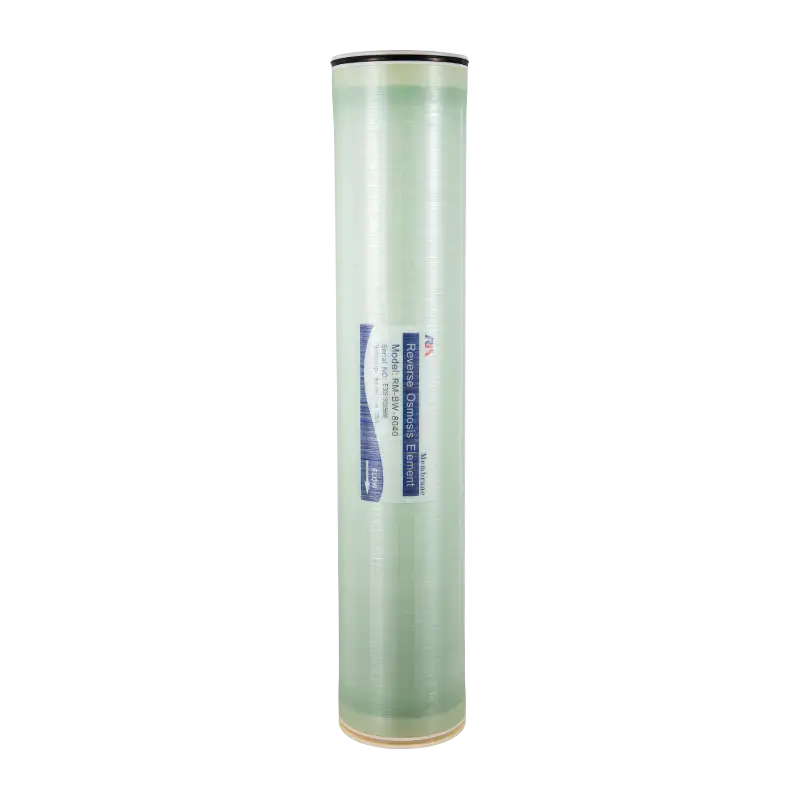
Water is involved in far more than cleaning and utility operations in a beverage plant. It can enter the production process directly, support equipment and boiler systems, and leave the facility as wastewater containing suspended solids, organic matter, and other contaminants. For this reason, water treatment in beverage industry operations needs to address both incoming water quality and the opportunities for responsible wastewater management.
At Runmo, we approach these requirements through membrane technologies that can be selected according to water quality, treatment objectives, and the position of the membrane within the overall system.
Why Water Quality Matters in Beverage Production
The appropriate treatment process depends on how the water will be used. Water intended for production may require a different treatment approach from water used for equipment, utilities, or cleaning.
Source water can contain suspended solids, colloids, microorganisms, dissolved salts, organic matter, and other substances. Rather than applying one membrane technology to every stage, we recommend evaluating the feed-water characteristics and the required quality of the treated water first.
Our product portfolio includes ultrafiltration (UF), nanofiltration (NF), reverse osmosis (RO), and other membrane technologies. This allows us to select different separation methods for different treatment objectives instead of treating all water streams in the same way.
Where Membrane Technology Fits Into the Process
Membrane treatment can serve several positions in a beverage facility. The exact configuration depends on the source water and the production process, but three areas are particularly important: incoming process water, purification before downstream use, and wastewater reuse.
Treating Incoming Water
Before water enters a beverage production process, treatment may be needed to reduce suspended particles, colloids, microorganisms, or dissolved substances.
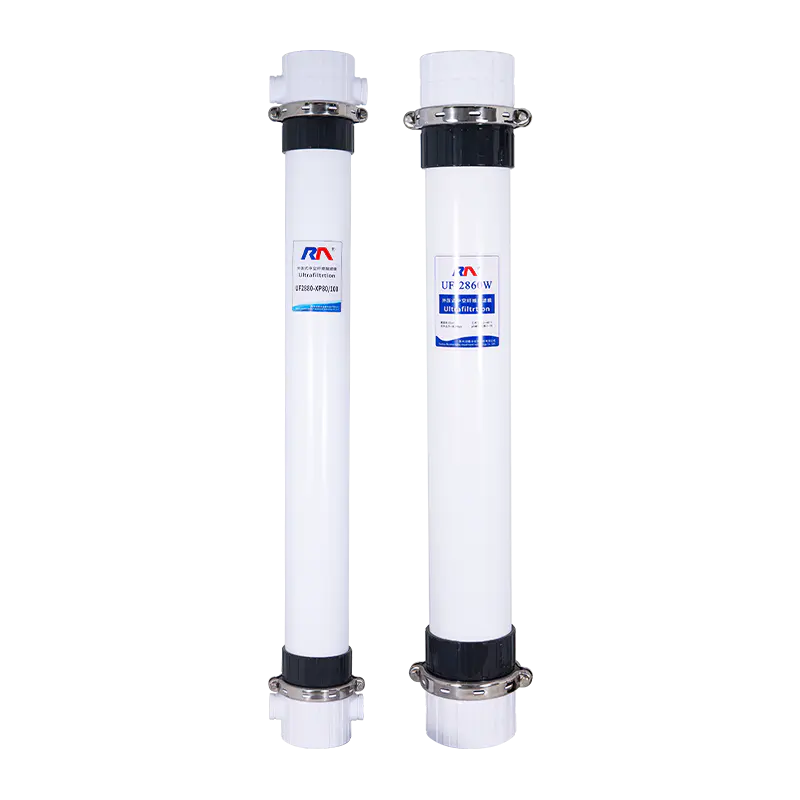
Our UF membranes can provide a separation stage for applications where particulate and microbial removal is important. We offer both PAN and PVDF UF membrane products, with different material and structural characteristics for different operating requirements.
For applications requiring greater reduction of dissolved salts, RO or NF can be considered instead. The appropriate choice depends on the required permeate quality rather than simply the fact that the water is being used in beverage production.
Producing Higher-Purity Water
Some beverage processes require more controlled water quality than the incoming source can provide. In these cases, membrane treatment can become part of a multi-stage purification system.
Our NF membranes provide selective separation with high permeate production and desalination performance, while our RO products are designed for applications requiring stronger removal of dissolved salts. The treatment sequence should be determined according to feed-water analysis and the final water-quality target.
For lower-salinity source water, our ULP/XULP series is another option to evaluate. These TFC polyamide membranes are designed to operate at ultra-low or extremely low pressure and are specifically listed for food processing applications.
Managing Wastewater Instead of Treating It as a Single Stream
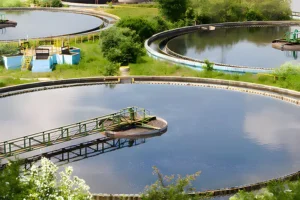
Beverage facilities can generate wastewater from production, cleaning, and other plant activities. Its composition can vary according to the products manufactured, cleaning practices, and production schedule.
This makes wastewater characterization an important first step. A reuse system should be designed around the actual contaminants present in the wastewater and the quality required for the intended reuse.
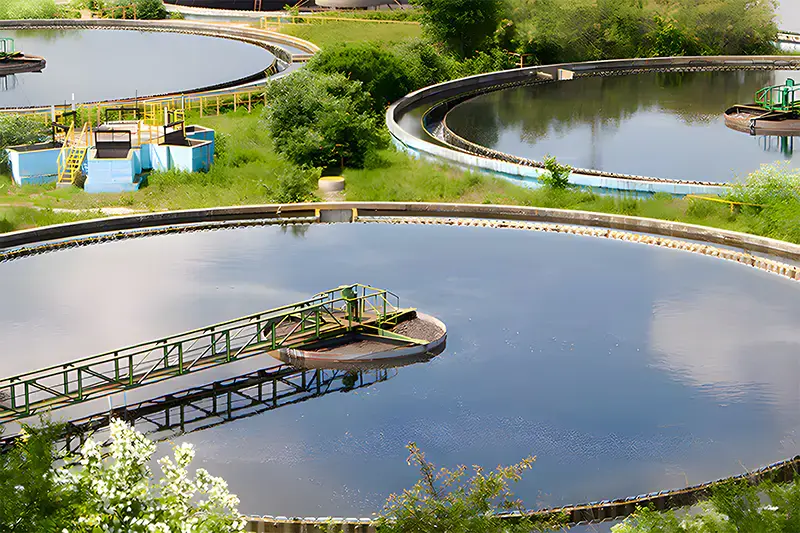
At Runmo, our wastewater reuse approach uses membrane technologies according to their separation characteristics. Our solution information identifies MF, UF, NF, and RO as technologies that can be applied at different stages to remove suspended solids, colloids, organics, and dissolved salts and support water recycling.
How Different Membranes Can Work Together
A beverage wastewater reuse system does not necessarily depend on one membrane type.
UF can be used where suspended solids, colloids, and microorganisms need to be reduced. NF provides a different separation profile and can be used for selective treatment and reduction of certain dissolved substances. RO provides a stronger dissolved-solids barrier when the reuse requirement calls for it.
This staged approach can be more appropriate than asking a single membrane to handle every contaminant. It also gives system designers more flexibility when balancing pretreatment, membrane loading, recovery, and final water quality.
What Should Beverage Manufacturers Consider Before Selection?
Choosing a membrane should begin with the water analysis. At Runmo, we recommend considering TDS, temperature, pH, required permeate flow, target rejection, and operating pressure when selecting a membrane product. You can provide us with a water analysis report so our technical team can make a more application-specific recommendation.
Pretreatment is equally important. Feed-water conditions that exceed the applicable limits of a membrane can contribute to fouling or unstable operation. For this reason, membrane selection should be integrated with the complete treatment process rather than handled as a standalone purchasing decision.
For wastewater reuse, the intended reuse point should also be defined early. Water requirements for a particular production or utility application may differ, so the treatment target should be established before deciding how many membrane stages are necessary.
Building a More Practical Reuse Strategy
Water reuse is not simply about adding a RO unit to the end of a wastewater line. A workable system needs to connect source-water characterization, pretreatment, membrane selection, operating conditions, and the final reuse requirement.
Our broader solution approach covers membrane material customization, system design, engineering implementation, and technical services. We can therefore participate in projects where the requirement extends beyond supplying individual membrane elements.
For beverage manufacturers, this approach can help connect process-water treatment with wastewater recovery rather than treating them as completely separate engineering problems.
Why Work With Runmo?
At Runmo, we are Suzhou Runmo Water Treatment Technology Co., Ltd., a manufacturer specializing in reverse osmosis membranes, ultrafiltration membranes, and polymer membrane technologies. We have an independent R&D system, automated production lines, annual production capacity of more than 800,000 membrane products, and more than 40 patents. We provide products and technical support to more than 60 countries.
Our portfolio includes ULP, BW, SW, NF, PAN UF, and PVDF UF membranes, allowing us to match membrane technology to different water-treatment requirements. We also provide customized dimensions, housing designs, performance characteristics, and OEM/ODM services for system integrators and distributors.
If you are planning water treatment in beverage industry operations, whether for process-water purification or wastewater reuse, contact us with your water analysis and treatment objectives. We can help you evaluate the appropriate membrane technology and develop a solution around your actual operating conditions.