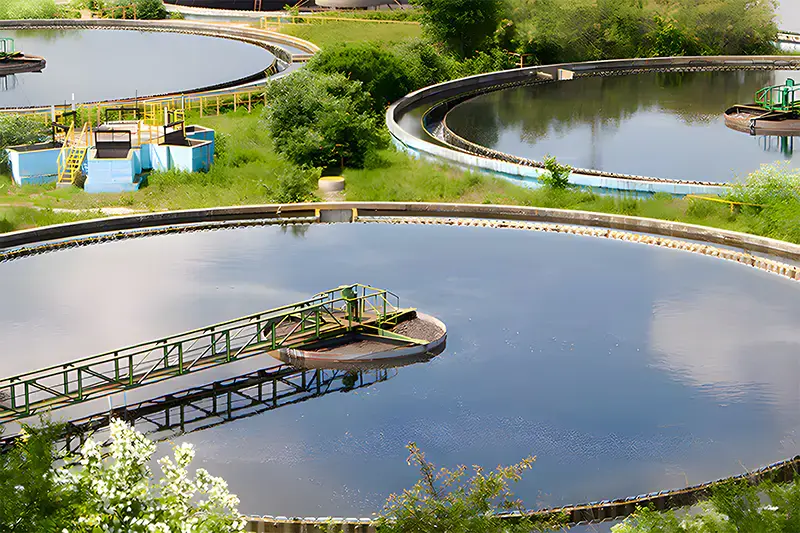
Industrial facilities are under increasing pressure to use water more efficiently while controlling wastewater discharge. Conventional treatment can reduce contaminants and produce reusable water, but some facilities need to go further by targeting zero liquid discharge from a particular wastewater stream. This is where ZLD water treatment becomes relevant.
Zero Liquid Discharge (ZLD) is an approach in which wastewater is treated and concentrated so that recoverable water can be reused while the remaining contaminants are separated into a solid or concentrated residual stream. The exact process depends on wastewater composition, recovery targets, and site conditions. Membrane technologies can play an important role in the earlier and intermediate stages of such systems.
What Does Zero Liquid Discharge Actually Mean?
ZLD is not simply another name for reverse osmosis. It describes an overall treatment objective rather than one individual membrane technology.
A typical ZLD strategy may combine pretreatment, membrane separation, concentration, evaporation, crystallization, or other processes depending on the wastewater. The purpose is to recover as much usable water as practical while minimizing the amount of liquid ultimately discharged.
For industrial users, this distinction matters. A membrane alone does not automatically make a system ZLD. Instead, membranes can help remove suspended solids, colloids, organics, and dissolved salts before subsequent concentration or solidification stages.
Where Do Membranes Fit Into a ZLD Strategy?
Membrane filtration can be useful because different membrane types separate different classes of contaminants. Our solution page identifies MF, UF, NF, and RO as membrane technologies that can be used in wastewater reuse projects. Together, these technologies can support the removal of suspended solids, colloids, organics, and dissolved salts and help convert wastewater into reusable water.
The actual combination depends on the wastewater.
MF and UF for Initial Separation
Microfiltration and ultrafiltration can be considered when suspended solids, colloids, and microorganisms need to be reduced before more demanding treatment stages.
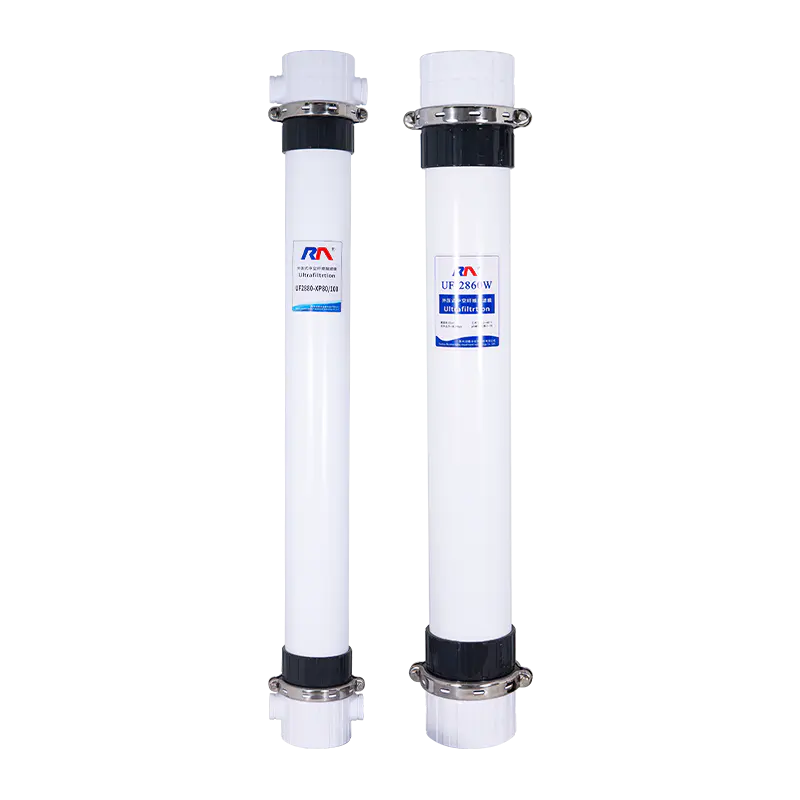
Our UF portfolio includes both PAN and PVDF membrane products. The PAN series can be configured for full-volume or cross-flow filtration depending on water-quality conditions, while our PVDF series emphasizes chemical stability, cleaning resistance, and fouling resistance.
Using an appropriate pretreatment stage can help protect downstream membrane processes and create more stable conditions for further water recovery.
NF for Selective Separation
Nanofiltration occupies a different position between ultrafiltration and reverse osmosis. It can provide selective separation and is useful when the treatment objective involves certain dissolved substances rather than simply removing suspended material.
Our NF series is designed for high permeate production and desalination performance and is listed for large-scale industrial and municipal water-treatment systems. We also identify pure-water production, boiler recharge water, food processing, and pharmaceutical manufacturing among its applications.
RO for Dissolved-Salt Removal
Reverse osmosis provides a stronger barrier to dissolved salts and can therefore become an important stage when wastewater needs substantial desalination before reuse or further concentration.
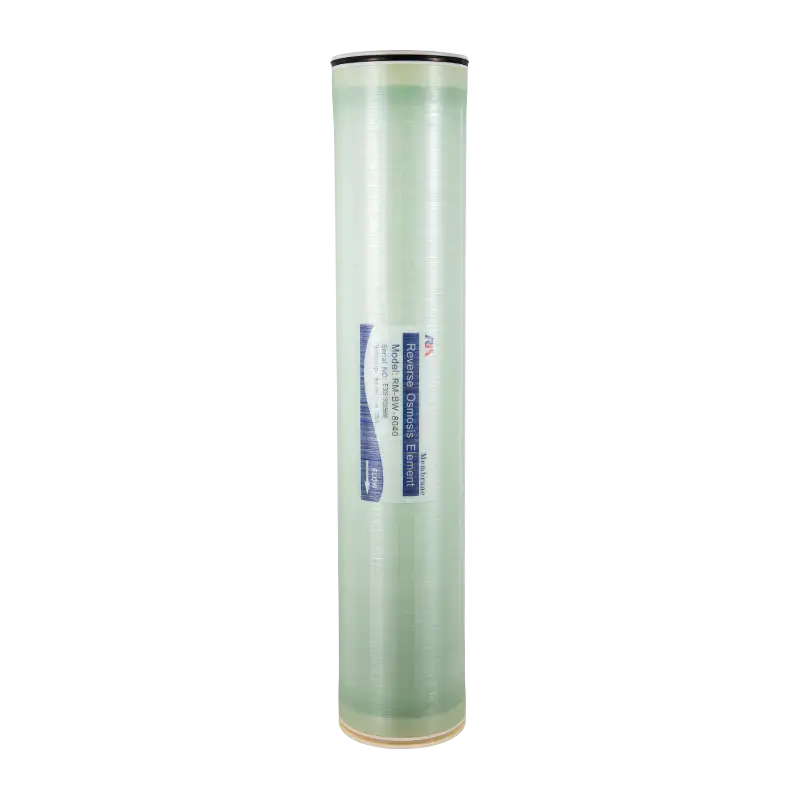
At Runmo, we can select an appropriate RO membrane according to factors such as TDS, temperature, pH, required permeate flow, target rejection, and operating pressure. The appropriate choice depends on factors such as TDS, temperature, pH, required permeate flow, target rejection, and operating pressure.
How Does ZLD Support Water Reuse?
The relationship between ZLD and water reuse is that water recovery can reduce the volume of wastewater requiring further treatment, while downstream concentration and crystallization processes address the remaining liquid.
Our wastewater reuse solution specifically focuses on using membrane filtration to remove contaminants and enable water recycling. Runmo states that these technologies can reduce wastewater discharge while improving water-resource utilization efficiency.
In a broader ZLD configuration, membrane treatment can therefore serve as a water-recovery stage before more concentrated residual streams are handled by downstream processes.
This approach is particularly relevant where freshwater availability is limited, wastewater discharge is tightly controlled, or industrial operations need to increase internal water reuse.
What Should Engineers Evaluate Before Selecting Membranes?
A ZLD project should begin with wastewater characterization rather than a predetermined membrane type. Feed-water TDS, temperature, pH, suspended solids, organic content, fouling potential, and required recovery all influence the treatment design.
We recommend providing a water analysis report when selecting a membrane. Our technical guidance considers feed-water quality, required permeate flow, target rejection, and operating pressure when recommending products.
Pretreatment is equally important. If the wastewater contains substances that can cause excessive fouling or exceed the membrane’s operating limits, the membrane stage may not deliver stable performance. A complete process therefore needs to consider pretreatment, membrane selection, cleaning, recovery, and the requirements of downstream concentration equipment together.
Why System Integration Matter in ZLD Projects
A common mistake in wastewater projects is to evaluate membrane performance independently from the rest of the process. ZLD requires a coordinated treatment sequence because every stage changes the characteristics of the water entering the next one.
Our solution model reflects this principle. We provide membrane product customization, system integration design, engineering implementation and commissioning, as well as intelligent operation and maintenance services. Runmo describes its approach as a combination of “membrane + process” tailored to the customer’s site and treatment requirements.
This gives us a practical role in projects where membrane selection needs to be connected with the wider water-reuse process.
How We Support Industrial Water-Reuse Projects
At Runmo, we are Suzhou Runmo Water Treatment Technology Co., Ltd., specializing in reverse osmosis membranes, ultrafiltration membranes, and polymer membrane technologies. We operate an independent R&D system and automated production lines, with annual production capacity of more than 800,000 membrane products and more than 40 patents. We provide products and technical support to more than 60 countries.
Our portfolio includes UF membranes in PAN and PVDF, NF membranes, ULP membranes, brackish-water membranes, and seawater membranes. This range allows us to match membrane technology to different stages and water-quality requirements rather than applying one product to every application.
If you are evaluating ZLD water treatment for industrial wastewater reuse, contact us with your water analysis, required recovery, and intended reuse application. We can help assess the appropriate membrane technologies and determine how they can fit into your broader treatment process.