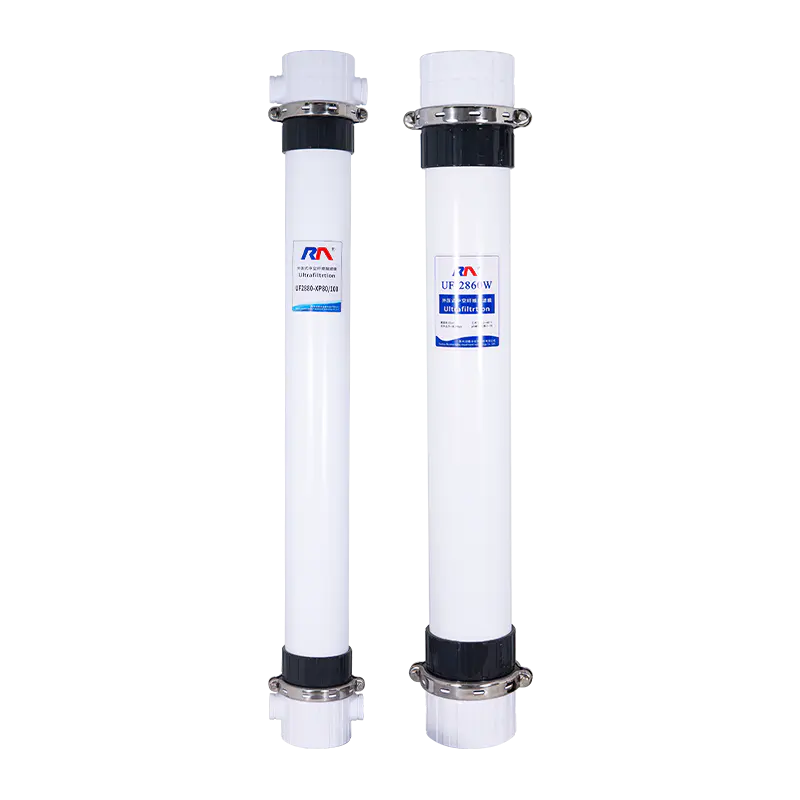
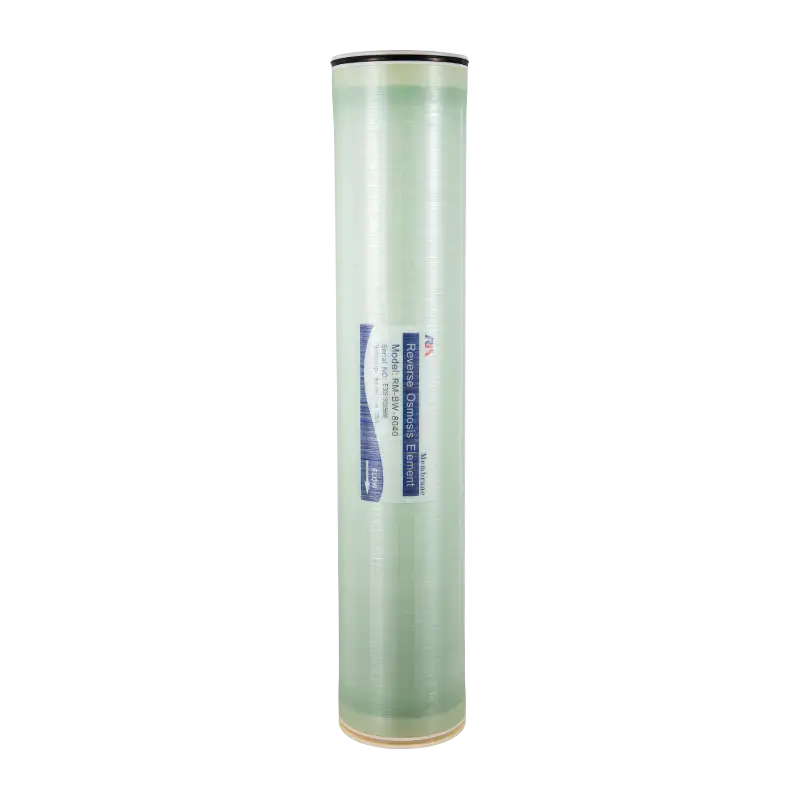
Contemporary engineering projects handling municipal and industrial fluid streams constantly evaluate advanced physical barrier networks to maximize operational stability. Selecting appropriate polymer filtration hardware dictates how effectively a facility separates suspended particles, colloids, and biological matter from raw water sources. Experienced project managers routinely consult specialized UF membrane manufacturers to acquire durable separation modules tailored for complex pretreatment applications. Exploring foundational hollow fiber mechanics empowers technical teams to optimize fluid treatment performance across diverse manufacturing sectors.
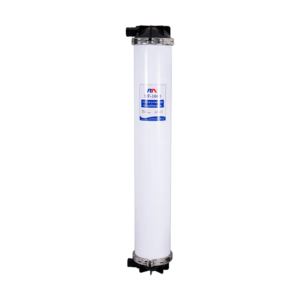
Mechanical Strength and Filament Breakage Mitigation
Physical durability remains a paramount consideration when engineers design high-flow municipal and industrial liquid processing units across demanding environments. Membrane filaments manufactured from modified polyacrylonitrile exhibit exceptional tensile strength, maintaining a fiber breakage rate of less than three thousandths. This structural resilience allows hollow fiber bundles to absorb mechanical stress effectively during pressurized backwashing cycles and continuous operation. Plant supervisors prioritize robust filament manufacturing to prevent unexpected downtime and protect downstream equipment from particulate contamination.
Maintaining low breakage frequencies over extended operating lifespans ensures that raw water does not bypass the physical barrier during production shifts. Technical design specifications dictate that high-strength polymer filaments must withstand rigorous hydraulic shocks without suffering permanent deformation. Field investigation results confirm that modern hollow fiber configurations maintain remarkable structural integrity across multi-year operating windows. Selecting durable separation components protects factory infrastructure and stabilizes fluid throughput under fluctuating feed conditions.
Central Pipe Bracket Design and Hydraulic Flow Distribution
Internal module architecture plays a vital role in dictating how raw fluid moves across active filtration surfaces within cylindrical pressure vessels. Unique central pipe bracket configurations ensure uniform filament distribution and maintain exceptionally smooth internal fluid flow profiles throughout the module housing. Eliminating dead zones inside the housing prevents localized particulate accumulation and promotes even transmembrane pressure distribution across every fiber. Plant engineers monitor cross-flow velocities closely to verify that hydrodynamic efficiency remains high during continuous production cycles.
Smooth internal water distribution prevents excessive turbulence that could otherwise accelerate mechanical wear on delicate polymer wall structures over time. Proper hydrodynamic management extends component lifespans significantly across demanding municipal and industrial fluid processing installations. Technical personnel evaluate internal flow dynamics carefully during initial facility design phases to optimize overall system throughput. Reliable physical performance means that routine cleaning cycles will not compromise internal structural alignment.
Chemical Resistance and Routine Maintenance Washing
Sustained performance in aggressive industrial environments requires exceptional chemical resistance and mechanical resilience from every installed filtration module. Hollow fiber components undergo routine water washing and chemical medication washing regimens to eradicate stubborn biological films and organic foulants. Specialized polymer matrices withstand these rigorous sanitization protocols safely without experiencing chemical degradation or structural weakening. Plant operators execute chemical cleaning routines with confidence, knowing that disinfectant exposure will not impair normal membrane use.
Balancing chemical durability with high permeability allows facility teams to maintain consistent water flux rates across multi-year operating schedules. Technical staff monitor transmembrane pressure recovery metrics following chemical cleaning cycles to evaluate module restoration efficiency. Resilient polymer formulations protect the underlying fiber structure from oxidative breakdown during aggressive disinfection interventions. Industrial processors rely on chemical stability to sustain high-purity water production without frequent component replacements.
Filtration Modes and Operational Flexibility
Selecting appropriate filtration modes depends heavily on incoming raw water quality conditions and specific facility processing objectives. Plant operators can choose between full-volume dead-end filtration and continuous cross-flow filtration configurations based on daily turbidity levels. Full-volume filtration offers distinct advantages in energy conservation and high water utilization rates when processing cleaner feed streams. Conversely, cross-flow filtration discharges suspended pollutants in real time, reducing the frequency of chemical cleaning interventions required.
Dynamic operational modes allow facility managers to adapt fluid treatment parameters dynamically as seasonal water quality fluctuations occur. Technical supervisors evaluate suspended solid loads continuously to determine the most efficient hydrodynamic configuration for active production lines. Optimizing filtration modes minimizes operational friction and enhances overall system productivity across complex industrial settings. Flexibility in operational design remains a cornerstone of modern water treatment engineering practices.
Pretreatment Functions for Reverse Osmosis Systems
Protecting delicate reverse osmosis active layers from particulate fouling remains a vital engineering objective in modern municipal and industrial water treatment plants. Upstream ultrafiltration barriers capture colloidal silica, organic macromolecules, and microbial cells before they reach high-pressure separation modules. Deploying reliable physical barriers upstream extends the operational lifespan of sensitive downstream filtration components significantly. System designers prioritize robust pretreatment protocols to prevent irreversible scaling and biological degradation in primary purification loops.
Minimizing particulate loading reduces overall chemical cleaning requirements and lowers long-term plant maintenance operational friction across commercial facilities. Integrated multi-stage protection secures continuous high-performance operation across demanding factory operating environments and municipal utility works. Collaborating with experienced UF membrane manufacturers helps engineering teams configure reliable pretreatment trains for complex raw water profiles. Upstream clarification secures stable feed water quality for high-pressure reverse osmosis systems worldwide.
Space Efficiency and Automation in Plant Design
Modern industrial facilities face spatial constraints that require compact equipment footprints and highly automated fluid processing control systems. Ultrafiltration systems offer the advantage of a small physical floor area, requiring only half the space of traditional filtering methods. High automation capabilities allow these advanced filtration trains to operate in unattended modes, reducing labor overhead for facility operators. Automated backwashing routines and digital monitoring sensors ensure stable performance without constant manual intervention from plant technicians.
Integrating compact separation hardware into existing factory layouts simplifies spatial planning during facility expansion or modernization projects. Automated control architectures monitor transmembrane pressure, turbidity, and flow rates in real time to optimize cleaning intervals automatically. Industrial processors leverage space-saving filtration technology to maximize production capacity within restricted architectural footprints. Advanced automation transforms routine facility management into a streamlined, highly predictable operational workflow.
Conclusion
Effective liquid purification depends on the synergy between advanced membrane science and dependable system design. Runmo is a professional manufacturer of high-strength hollow fiber membranes and specialized polymer products developed for rigorous operational conditions. We understand that selecting the right UF membrane supplier is a critical decision for engineering teams, and we are committed to providing durable, application-ready components. For those planning new or upgraded treatment trains, we welcome the opportunity to collaborate through our technical advisory services on custom membrane configurations.