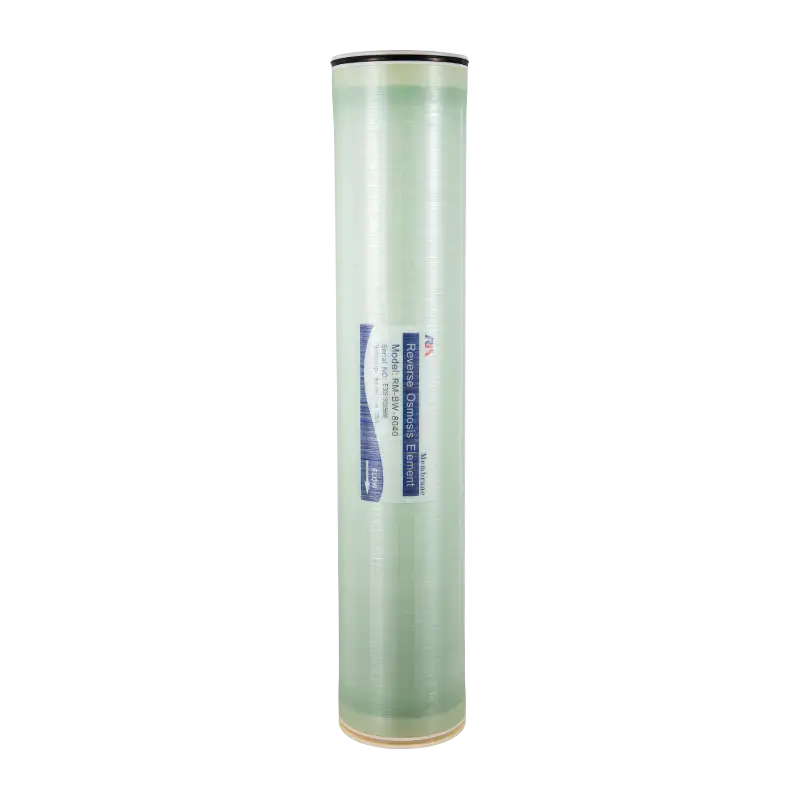
Contemporary municipal infrastructure projects and commercial fluid processing plants demand highly efficient separation technologies that minimize energy consumption during continuous operation. Traditional reverse osmosis networks frequently require massive electrical power inputs to overcome high natural osmotic pressure thresholds across dense composite barriers. Implementing an advanced ULP 4040 membrane allows facility operators to achieve exceptional water purification performance while operating under significantly reduced hydraulic pressure conditions. Scientific advancements in thin-film composite manufacturing continue to transform how engineers design sustainable water treatment infrastructure worldwide.
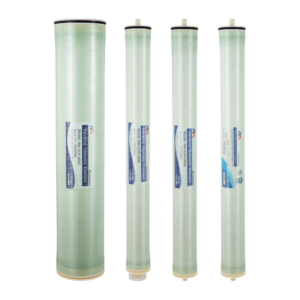
Polymer Chemistry and Thin Film Composite Architecture
Modern separation science relies heavily on sophisticated aromatic polyamide materials synthesized through interfacial polymerization techniques on porous support backings. This specialized thin-film composite structure creates an exceptionally dense barrier layer capable of blocking dissolved mineral ions effectively. Manufacturing a reliable ULP 4040 membrane requires meticulous control over cross-linking density to balance high permeability with superior salt rejection capabilities. Laboratory investigations demonstrate that these advanced polymer matrices maintain structural stability across diverse chemical environments and temperature ranges.
Before the widespread adoption of thin-film composite membranes, thermal desalination processes such as Multi-Stage Flash (MSF) and Multi-Effect Distillation (MED) dominated the seawater treatment landscape. These thermally driven methods consume large quantities of energy—typically in the form of steam from power plants or dedicated boilers—making them economical only where low-cost fuel or waste heat is readily available. Even conventional reverse osmosis, while more energy-efficient than thermal methods, still demands substantial hydraulic pressure to overcome osmotic resistance, resulting in significant electricity consumption and associated operational costs.
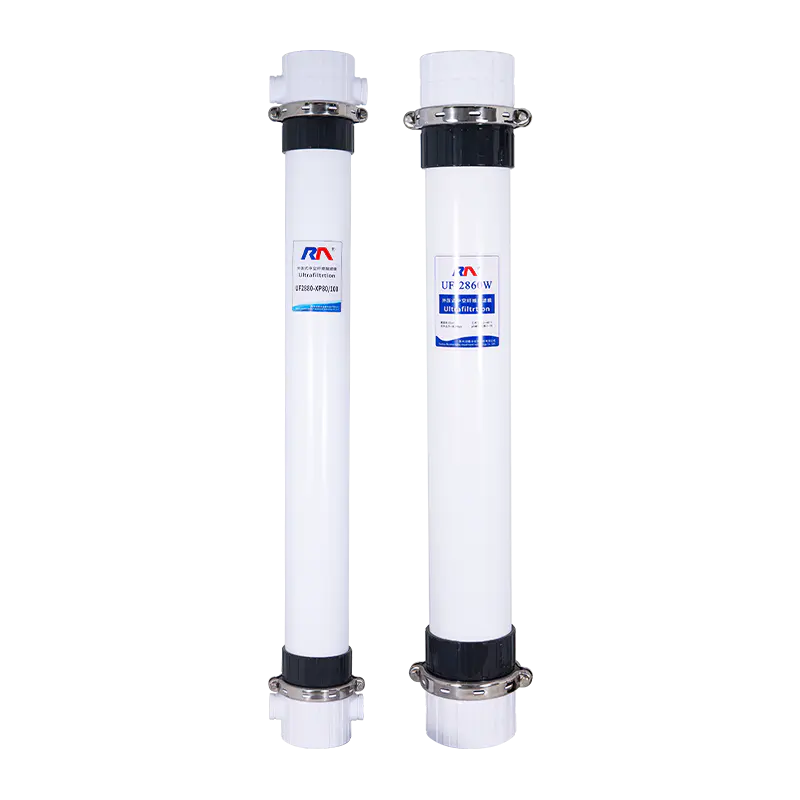
Ultra-low pressure membrane technology addresses this challenge by enabling effective desalination at significantly reduced operating pressures. This reduction in pressure translates directly into lower energy consumption per unit of water produced, making it particularly attractive for facilities operating with tight energy budgets or in regions with high electricity costs. At Runmo, our ULP 4040 membrane elements are engineered to deliver consistent salt rejection and permeate quality at lower pressures, helping plant operators achieve reliable performance while reducing the energy intensity of their treatment processes.
Advanced polymer chemistry ensures that active separation layers retain their physical integrity even when subjected to continuous hydraulic stress during production cycles. Engineers evaluate molecular weight distributions carefully to optimize pure water flux rates without compromising solute separation efficiency. Precision manufacturing protocols minimize structural defects across every individual spiral-wound element produced for commercial use. Technical personnel monitor polymeric resilience continuously to protect system performance over extended operational lifespans.
Low-Pressure Operation and Hydraulic Energy Reduction
Operating conventional reverse osmosis systems demands substantial mechanical force from heavy-duty high-pressure pumps to drive fluid through dense separation barriers. Innovative ultra-low pressure technology alters this dynamic by reducing required operational pressures to roughly two-thirds of standard industrial thresholds. Deploying a specialized ULP 4040 membrane enables water treatment plants to lower the electrical power demanded by auxiliary pumping stations substantially. Plant supervisors utilize these low-pressure characteristics to manage facility energy budgets more sustainably over long operational horizons.
Lower mechanical stress profiles extend the operational lifespan of auxiliary infrastructure components like high-pressure piping manifolds, control valves, and pump impellers. Energy-saving separation technologies transform how facility operators manage regional water purification and large-scale industrial fluid processing tasks. Technical operators monitor power consumption metrics daily to verify that pumping stations operate within optimal performance ranges. Reducing hydraulic stress preserves system longevity across complex multi-stage purification trains.
Permeate Water Quality and High Desalination Rates
Delivering clean drinking water and high-purity industrial process water requires exceptional solute rejection performance from every installed separation module. Advanced polyamide composite elements achieve remarkable desalination rates reaching up to ninety-nine point three percent under optimized operating parameters. Utilizing a refined ULP 4040 membrane allows facility designers to secure superior permeate water quality without resorting to complex multi-pass configurations. Communities and factories receive safe, low-salinity liquid that complies with stringent international health and industrial purity standards immediately.
Conducting periodic ionic analyses ensures that permeate salinity levels remain well below critical public health and manufacturing tolerance thresholds. Microscopic ionic breakthrough can trigger operational failures or public health concerns if municipal supply systems lack rigorous monitoring protocols. Rigorous separation protocols safeguard delicate downstream distribution networks and protect equipment integrity across demanding industrial sectors. Technical teams rely on consistent desalination performance to maintain stable production schedules.
Pretreatment Protocols and Feed Water Quality Management
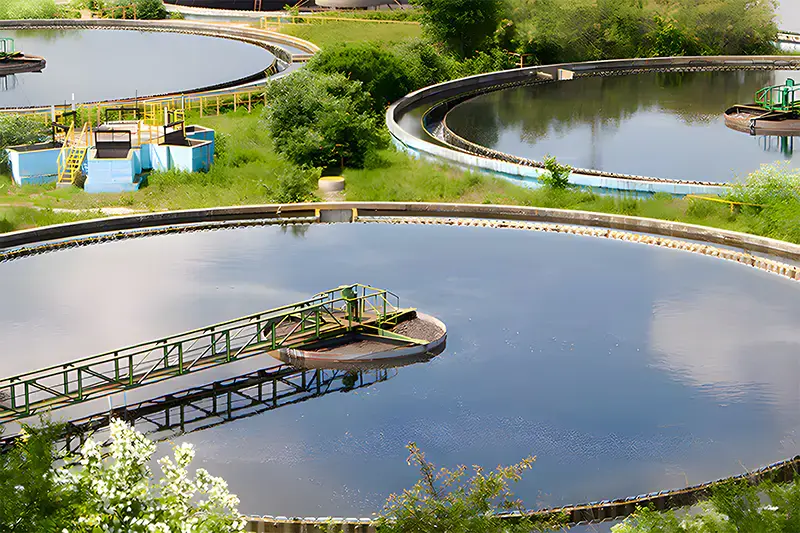
Raw water extracted from surface reservoirs, deep aquifers, or municipal grids frequently contains suspended silt and microscopic organic matter. Inadequate pretreatment protocols often trigger rapid particulate fouling and irreversible membrane channel blockage within high-pressure loops. Industrial operators deploy multi-barrier clarification trains, including media filters and ultrafiltration, to protect delicate separation modules from premature physical damage. Analyzing silt density indexes daily verifies that incoming fluid meets strict manufacturer inlet quality criteria before processing.
Comprehensive pretreatment stabilizes overall plant performance and shields sophisticated polymer elements from unexpected chemical shock and biological growth. Robust upstream protection secures continuous low-pressure performance across demanding operating environments during seasonal raw water quality fluctuations. Facility engineers prioritize multi-stage pretreatment trains to maintain stable fluid permeability across extended operating cycles. Proper upstream care remains vital for preserving active surface cleanliness.
Conclusion
Advanced liquid purification relies on sophisticated separation components that deliver high permeate quality while minimizing operating energy requirements. Runmo operates as a professional manufacturer specializing in advanced industrial membranes, including high-performance ultra-low pressure elements like the ULP 4040 membrane. Our product lines serve municipal water supply, industrial wastewater reuse, chemical processing, and power generation industries globally. Contact our technical advisory team today to discuss custom separation configurations for your upcoming fluid treatment initiatives.