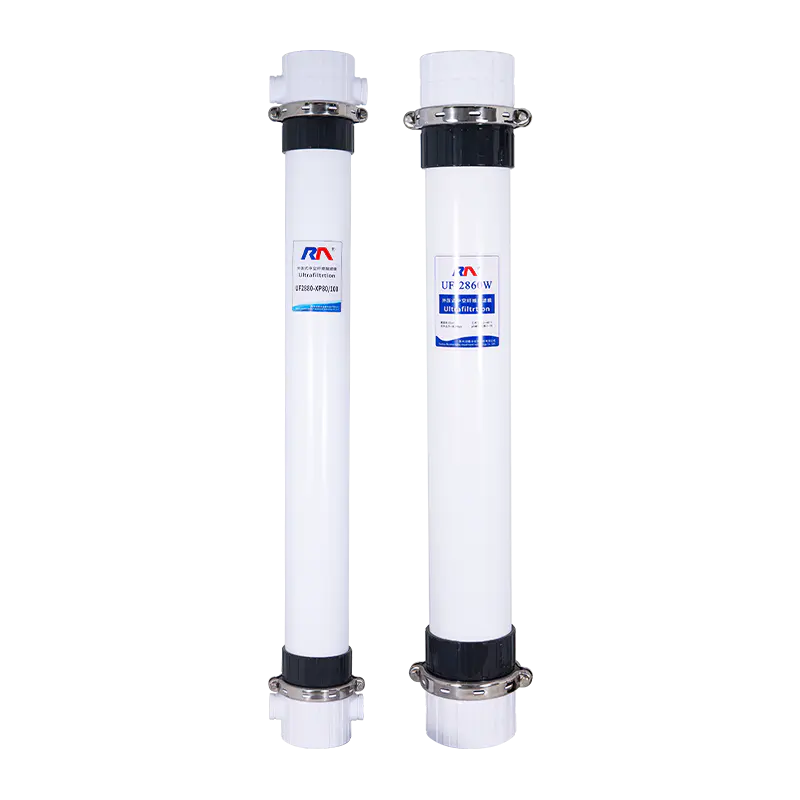
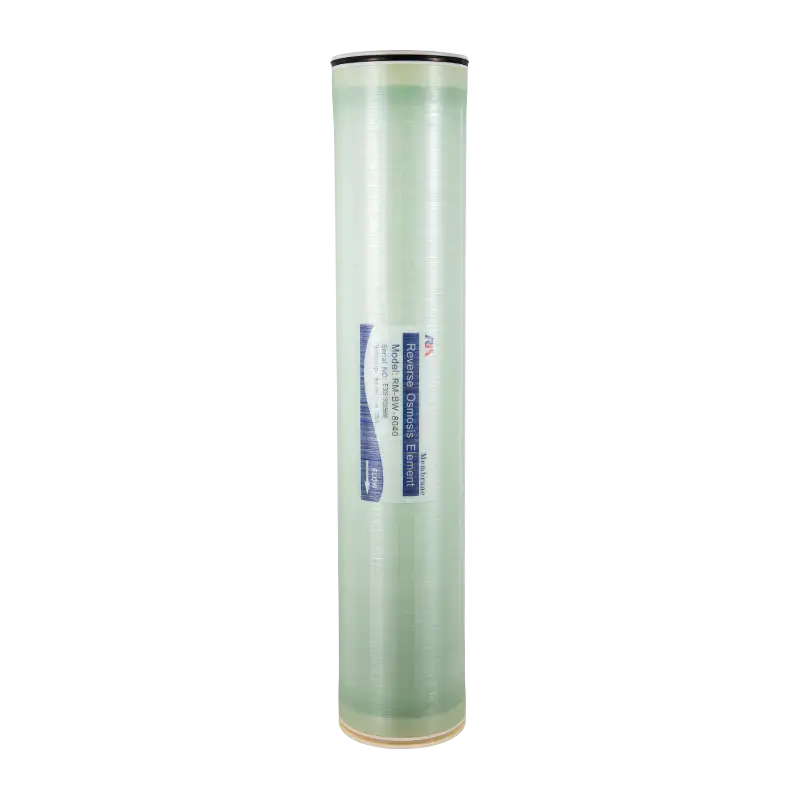
Modern fluid processing plants face significant operational hurdles when attempting to balance high water purity standards with sustainable power consumption levels across continuous production shifts. Facility engineers constantly investigate advanced separation barriers that lower hydraulic resistance without sacrificing solute rejection performance in municipal and industrial networks. Integrating an innovative ultra low pressure RO membrane into factory infrastructure provides a strategic method for treating low-salinity water feeds under reduced mechanical stress. Scientific innovations in thin-film composite chemistry continue to redefine how technical teams approach energy-conscious water purification projects.
Low-Salinity Feed Streams and Dilute Water Processing
Surface water reservoirs, deep groundwater wells, and municipal tap water networks frequently contain dissolved mineral concentrations below two thousand parts per million. Processing these diluted aqueous streams demands specialized separation components that avoid the excessive energy overhead associated with high-salinity desalination systems. Specialized membrane elements target moderate total dissolved solids effectively while maintaining high water permeability across standard commercial operating configurations. Technical operators monitor feed water conductivity daily to verify that incoming mineral loads remain within optimal design parameters.
Configuring filtration systems for dilute feed streams requires precise hydraulic calibration to prevent unnecessary mechanical strain on auxiliary pumping equipment. Water treatment technicians evaluate temperature and pH fluctuations carefully to maintain stable flux rates throughout extended production cycles. Dilute fluid processing represents a foundational element in modern municipal drinking water augmentation and regional supply management. Our ultra low pressure RO elements are specifically engineered for these lower-salinity applications, delivering consistent permeate quality while operating at significantly reduced hydraulic pressures.
Desalination Principles for Surface and Groundwater Sources
Natural water sources collected from rivers, lakes, and subsurface aquifers often carry suspended particulate matter and trace ionic compounds requiring rigorous removal. Desalination science relies on applying precise mechanical pressure to overcome natural osmotic equilibrium across a semi-permeable thin-film composite barrier. Utilizing a specialized ultra low pressure RO membrane allows systems to extract high-purity water from surface resources with exceptional efficiency. Laboratory analyses confirm that advanced polyamide structures reject undesirable mineral ions while allowing pure water molecules to pass freely.
Managing raw water intake quality prevents premature surface fouling and preserves stable transmembrane pressure profiles over multi-year operating horizons. Facility supervisors review turbidity metrics routinely to adjust chemical pretreatment dosages ahead of primary separation modules. Comprehensive pretreatment protects active filtration layers from sudden biological or mineral shock during seasonal weather changes. Runmo’s low-pressure membrane technology enables facilities to achieve reliable desalination performance without the high energy demands typically associated with conventional reverse osmosis systems.
Boiler Recharge Water Quality and Thermal Plant Protection
Thermal power stations consume massive volumes of liquid to generate high-pressure steam that drives electricity turbines efficiently across regional distribution grids. Supplying mineral-free boiler recharge water prevents hazardous scale deposition inside high-pressure steam generators and complex turbine cooling circuits. Industrial operators deploy sophisticated separation hardware to remove calcium, magnesium, and reactive silica before water enters boilers. Preventing mineral scaling protects heavy-duty infrastructure from premature mechanical failure and unexpected operational downtime.
Closed-loop cooling towers also require continuous side-stream filtration to manage suspended solid accumulation and mineral concentration effectively. Industrial engineers design robust pre-treatment trains to safeguard primary steam generation equipment against thermal shock and corrosion. Reliable separation technology supports uninterrupted electrical power generation across regional energy distribution networks without excessive maintenance interruptions. Our ultra low pressure membrane elements are designed to provide consistent hardness and silica rejection, helping power plants maintain boiler efficiency while managing operating costs.
Hydraulic Energy Reduction and Operational Efficiency
Traditional reverse osmosis networks demand substantial mechanical force from heavy-duty high-pressure pumps to drive fluid through dense separation barriers. Innovative low-pressure technology alters this dynamic by reducing required operational pressures significantly compared to standard industrial thresholds. Operating under reduced hydraulic pressure decreases the electrical power demanded by auxiliary pumping stations substantially across commercial facilities. Plant supervisors utilize these energy characteristics to manage facility power budgets more sustainably over long operational horizons.
Lower mechanical stress profiles extend the operational lifespan of auxiliary infrastructure components like high-pressure piping manifolds, control valves, and pump impellers. Energy-saving separation technologies transform how facility operators manage regional water purification and large-scale industrial fluid processing tasks. Technical operators monitor power consumption metrics daily to verify that pumping stations operate within optimal performance ranges. At Runmo, we engineer our low-pressure elements to deliver reliable salt rejection at reduced operating pressures, helping plant operators achieve energy savings without compromising water quality.
Conclusion
Energy efficiency and permeate quality are central to modern membrane filtration system design. Runmo specializes in advanced industrial membranes, including ultra low pressure RO elements that deliver reliable performance at reduced operating pressures. Our solutions serve diverse sectors worldwide, from municipal utilities and industrial reuse to food processing and pharmaceutical production. We encourage engineering teams to reach out to our technical advisors—we are available to discuss custom configurations aligned with specific treatment goals.