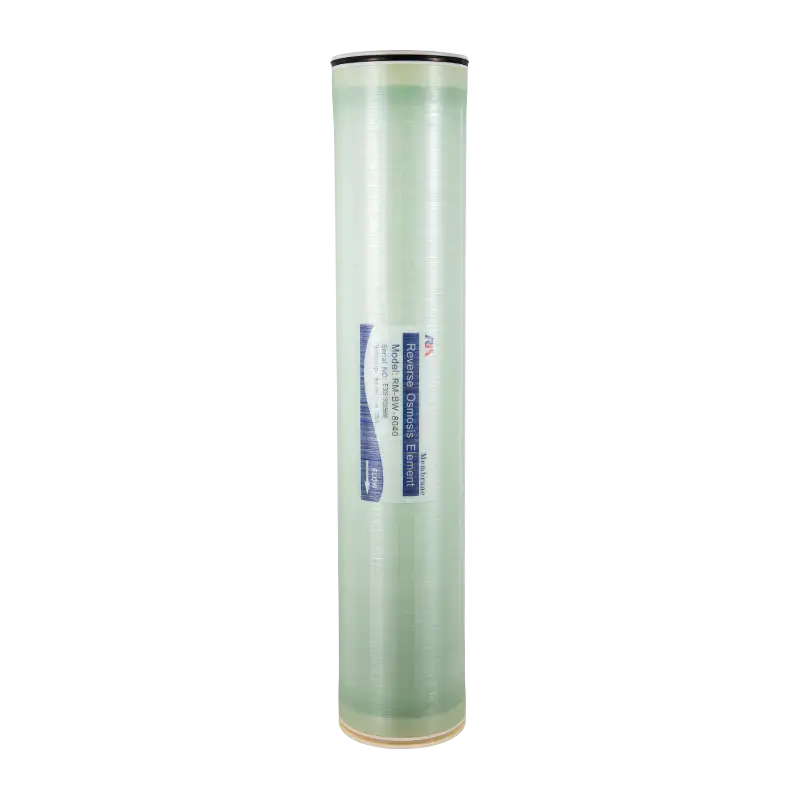
Subsurface aquifers and inland surface water bodies frequently contain elevated mineral concentrations that render them unsuitable for standard municipal or manufacturing utilization without prior purification. Industrial facilities and municipal water authorities increasingly rely on sophisticated separation science to convert challenging saline feeds into dependable high-purity liquid streams. Implementing advanced brackish water reverse osmosis technology enables plant operators to separate dissolved mineral salts and organic compounds efficiently from complex aqueous mixtures. Scientific breakthroughs in aromatic polyamide membrane manufacturing continue to expand how technical teams approach modern water desalination projects worldwide.
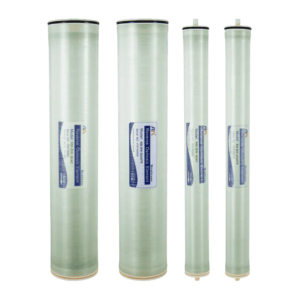
Chemistry of Aromatic Polyamide Composite Elements
Modern separation science relies heavily on advanced aromatic polyamide composite materials synthesized through interfacial polymerization techniques on porous support backings. This specialized thin-film structure creates an exceptionally dense barrier layer capable of blocking dissolved mineral ions effectively across diverse operational parameters. Engineering a reliable brackish water reverse osmosis module requires meticulous control over cross-linking density to balance high permeability with superior salt rejection capabilities. Laboratory investigations demonstrate that these advanced polymer matrices maintain structural stability across varying chemical environments and temperature ranges.
Advanced polymer chemistry ensures that active separation layers retain their physical integrity even when subjected to continuous hydraulic stress during production cycles. Engineers evaluate molecular weight distributions carefully to optimize pure water flux rates without compromising solute separation efficiency. Precision manufacturing protocols minimize structural defects across every individual spiral-wound element produced for commercial use. Technical personnel monitor polymeric resilience continuously to protect system performance over extended operational lifespans.
Managing Moderate Salinity Feed Streams
Subsurface wells and inland rivers frequently harbor dissolved mineral concentrations below ten thousand parts per million, presenting unique purification challenges for regional facilities. Processing these moderate-salinity feeds demands specialized separation components that avoid the excessive energy overhead associated with high-salinity seawater desalination systems. Specialized membrane elements target total dissolved solids effectively while maintaining high water permeability across standard commercial operating configurations. Technical operators monitor feed water conductivity daily to verify that incoming mineral loads remain within optimal design parameters.
Before membrane-based desalination became the standard for brackish water treatment, ion exchange and electrodialysis were among the primary alternatives. Ion exchange systems can achieve very high purity by removing virtually all ionic species, but they require frequent chemical regeneration using large quantities of salt, producing a concentrated brine waste stream that must be treated or disposed of. The regeneration process often determines the economic feasibility of ion exchange due to the costs of chemicals and waste disposal. Electrodialysis offers lower energy consumption than reverse osmosis in low-salinity applications, but its energy consumption increases with feed salinity and the technology requires costly ion-exchange membranes.
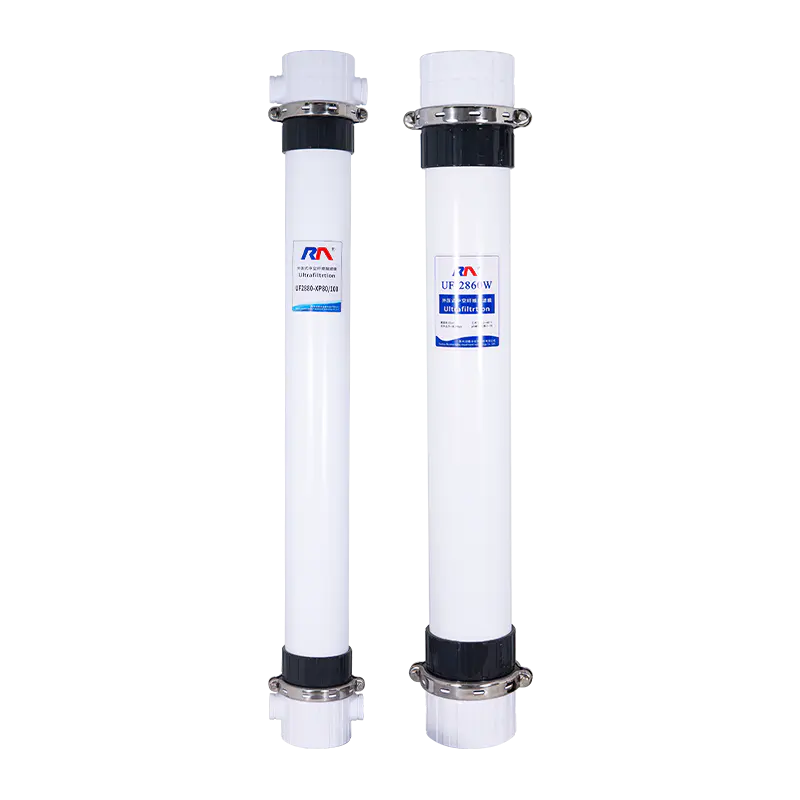
Runmo’s brackish water reverse osmosis elements address these limitations by providing a continuous separation process that does not require chemical regeneration. Unlike ion exchange, BWRO operates without regular chemical inputs beyond routine cleaning, and it produces consistent permeate quality without the periodic performance fluctuations associated with resin exhaustion and regeneration cycles. This combination of operational simplicity and reliable performance makes BWRO particularly suitable for facilities seeking stable long-term water quality with lower chemical handling requirements.
Configuring filtration systems for moderate-salinity feed streams requires precise hydraulic calibration to prevent unnecessary mechanical strain on auxiliary pumping equipment. Water treatment technicians evaluate temperature and pH fluctuations carefully to maintain stable flux rates throughout extended production cycles. Saline fluid processing represents a foundational element in modern municipal drinking water augmentation and regional supply management. Specialized polymer matrices empower facilities to purify large volumes of water smoothly without heavy operational friction.
Soluble Salt and Total Organic Carbon Removal
Delivering clean municipal water and high-purity industrial process water requires exceptional solute rejection performance from every installed separation module. Advanced aromatic polyamide elements achieve remarkable removal rates for soluble salts, total organic carbon, and reactive silica under optimized parameters. Utilizing a refined brackish water reverse osmosis module allows facility designers to secure superior permeate water quality without resorting to complex multi-pass configurations. Communities and factories receive safe, low-salinity liquid that complies with stringent international health and industrial purity standards immediately.
Conducting periodic ionic analyses ensures that permeate salinity levels remain well below critical public health and manufacturing tolerance thresholds. Microscopic ionic breakthrough can trigger operational failures or public health concerns if municipal supply systems lack rigorous monitoring protocols. Rigorous separation protocols safeguard delicate downstream distribution networks and protect equipment integrity across demanding industrial sectors. Technical teams rely on consistent desalination performance to maintain stable production schedules.
Material Durability and Long-Term Stability
Sustained performance in aggressive industrial environments requires exceptional chemical resistance and mechanical resilience from every installed filtration module. Advanced polymer cross-linking protects active separation layers against aggressive cleaning agents and environmental degradation over extended lifespans. Engineers evaluate chemical compatibility metrics carefully to prevent premature membrane failure during routine sanitization cycles. Maintaining stable flux rates across multi-year operating windows reduces the frequency of unexpected component replacements.
Rigorous quality control during manufacturing ensures uniform structural integrity across every individual spiral-wound element produced for commercial distribution. Reliable physical performance means that routine water washing and chemical cleaning cycles will not compromise long-term operational capabilities. Selecting durable filtration components empowers facility managers to maintain consistent purification standards throughout demanding industrial processing schedules. Technical personnel verify module integrity through regular pressure decay testing.
Conclusion
Consistent permeate quality and reliable performance under varying feed conditions are essential for advanced liquid purification systems. Runmo operates as a professional manufacturer of industrial membranes, including high-performance brackish water reverse osmosis elements engineered for stable operation across a wide range of salinities and temperatures.
Our product portfolio supports diverse industries worldwide—municipal water supply, power generation, electronics manufacturing, and food processing—each with unique water quality requirements. We invite project engineers and facility planners to explore custom fluid treatment configurations through consultation with our technical advisory team; we are prepared to assist with project-specific design and integration needs.