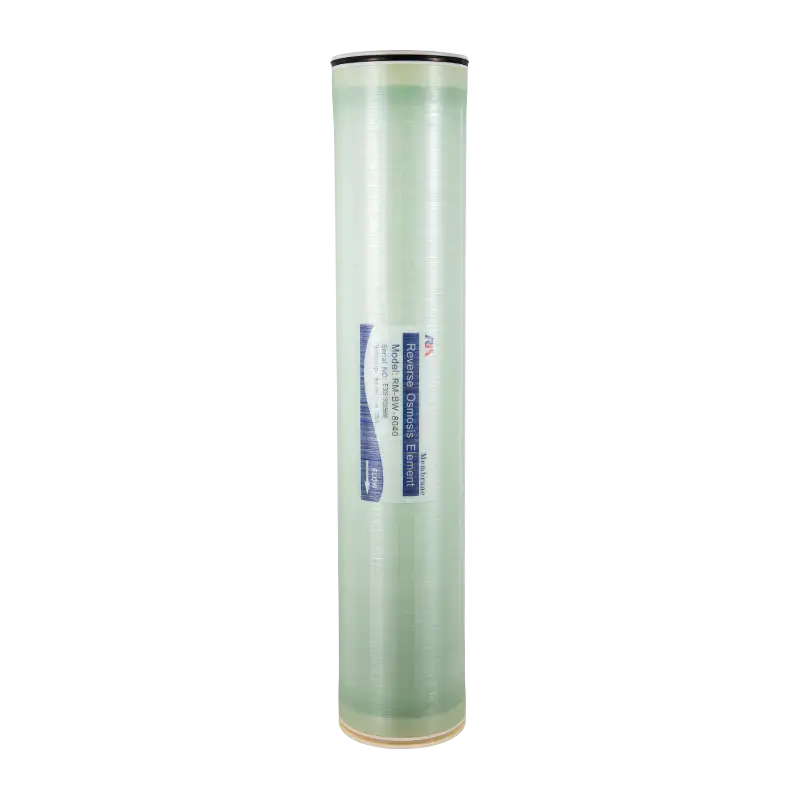
Inland municipal regions and industrial manufacturing hubs frequently encounter challenging water sources containing substantial concentrations of dissolved minerals that require advanced purification methods. Facility operators constantly evaluate specialized polymer barriers to separate ionic pollutants and organic compounds from regional water supplies reliably. Deploying a high-performance brackish membrane allows technical teams to achieve exceptional separation performance across diverse operational environments. Scientific advancements in surface modification technology continue to expand how engineers approach modern salinity reduction projects worldwide.
Surface Modification Mechanics and Polymer Chemistry
Advanced polymer science relies heavily on sophisticated chemical treatments applied directly to active separation layers during the final manufacturing stages. Modifying the outer boundary of a specialized brackish membrane alters local electrostatic charge properties and enhances overall surface smoothness significantly. Interfacial engineering techniques transform hydrophobic raw polymer matrices into highly hydrophilic filtration barriers capable of repelling suspended impurities. Laboratory evaluations confirm that these chemical enhancements prevent foulant molecules from anchoring securely onto active filtration areas.
Unmodified reverse osmosis membranes present inherent surface characteristics that make them vulnerable to fouling in real-world applications. The polyamide active layer typically carries a negative surface charge, which attracts positively charged organic compounds and metal ions through electrostatic attraction. Additionally, the relatively hydrophobic nature of unmodified polyamide surfaces promotes adhesion of hydrophobic organic matter, while surface roughness creates physical sites where particles can lodge.
Traditional approaches to managing membrane fouling rely primarily on physical cleaning and chemical disinfection. Physical cleaning—such as flushing, backwashing, and air scouring—can remove loosely attached deposits, but it does not address the fundamental surface properties that cause fouling to occur. Chemical cleaning, typically using acids, bases, or oxidizing agents, can restore performance by dissolving scale and organic deposits, but frequent chemical cleaning accelerates membrane aging, shortens service life, and adds recurring operational costs. The cumulative burden of cleaning chemicals, downtime, and replacement modules can significantly affect the economics of a desalination plant over its operating lifetime.
Surface modification offers a more fundamental solution by altering the membrane surface itself rather than merely treating the symptoms of fouling. Runmo’s FR series brackish membranes are manufactured using a specialized surface treatment that changes the electric charge and smoothness of the membrane surface while increasing its hydrophilicity. This combination of modifications reduces the adhesion of pollutants and microorganisms, thereby lowering the contamination of membrane components and extending service life. By addressing fouling at the surface level, the FR series helps plant operators achieve more stable performance over extended operating periods with reduced chemical cleaning frequency.
Precision surface treatments establish a physical shield that discourages microbiological film formation during prolonged liquid processing cycles. Technical personnel monitor interfacial charge characteristics closely to verify that active separation layers maintain stable performance under varying feed conditions. Chemical stability protects the underlying polymer matrix from premature degradation during aggressive cleaning operations. Molecular optimization remains a vital pillar in designing durable separation hardware for industrial applications.
Electrostatic Charge Properties and Foulant Repulsion
Interfacial electrostatic forces dictate how microscopic suspended particles and colloidal matter interact with active separation boundaries in fluid systems. Specialized chemical treatments alter surface charge densities, creating a strong repulsive barrier against incoming organic compounds and biological debris. Utilizing a modified brackish membrane minimizes the physical adhesion of foulants during continuous high-volume production shifts. Water treatment specialists analyze Zeta potential metrics routinely to measure the effectiveness of surface charge modifications across different batches.
Controlling electrostatic interactions prevents foulant accumulation from obstructing active pore pathways inside spiral-wound separation elements over time. Technical operators rely on these repulsive charge dynamics to maintain steady transmembrane pressure profiles without excessive chemical interventions. Charge-based repulsion represents a sophisticated approach to minimizing biological growth within commercial filtration vessels. Advanced polymer engineering shields delicate internal structures from premature fouling during extended operation.
Microscopic Smoothness and Hydrophilic Enhancement
Surface topography plays a decisive role in determining how particulate matter accumulates across active separation layers during high-pressure liquid processing. Advanced manufacturing processes create microscopic smoothness across the active face of a modern brackish membrane, preventing suspended solids from lodging in physical crevices. Concurrently, heightened hydrophilicity attracts a thin hydration layer of water molecules that shields the underlying polymer structure from direct pollutant contact. Laboratory microscopy confirms that ultra-smooth surfaces exhibit remarkably low fouling tendencies during intensive industrial testing.
Enhancing surface wetting properties allows facility operators to maintain stable fluid permeability without experiencing sudden pressure spikes during production cycles. Technical teams evaluate topography metrics carefully to ensure uniform water flux distribution across every individual spiral-wound module. Smooth surface architecture minimizes frictional resistance, allowing raw fluid to flow freely through complex element configurations. Scientific innovation in surface topology continues to redefine operational benchmarks for commercial water purification systems.
Microbiology Control and Anti-Fouling Performance
Biological contamination and microbial film growth present persistent operational challenges during continuous liquid clarification and municipal wastewater treatment processes. Specialized FR series polymer elements incorporate advanced surface treatments that discourage bacterial colonization and bio-fouling across active filtration zones. Limiting microbial reproduction protects internal module geometry from biological blinding during extended operating horizons in warm climates. Plant supervisors monitor biological activity metrics regularly to verify that sanitation protocols perform effectively.
Inhibiting bacterial adhesion reduces the frequency of aggressive chemical disinfection interventions required throughout routine maintenance schedules significantly. Technical personnel rely on chemically resistant polymer configurations to maintain steady water flux rates across multi-year operating windows. Long-term field assessments confirm that modified separation elements sustain high operational reliability in complex wastewater environments. Bio-fouling prevention safeguards delicate downstream machinery and reduces overall plant maintenance downtime substantially.
Pretreatment Protocols and Operating Stability
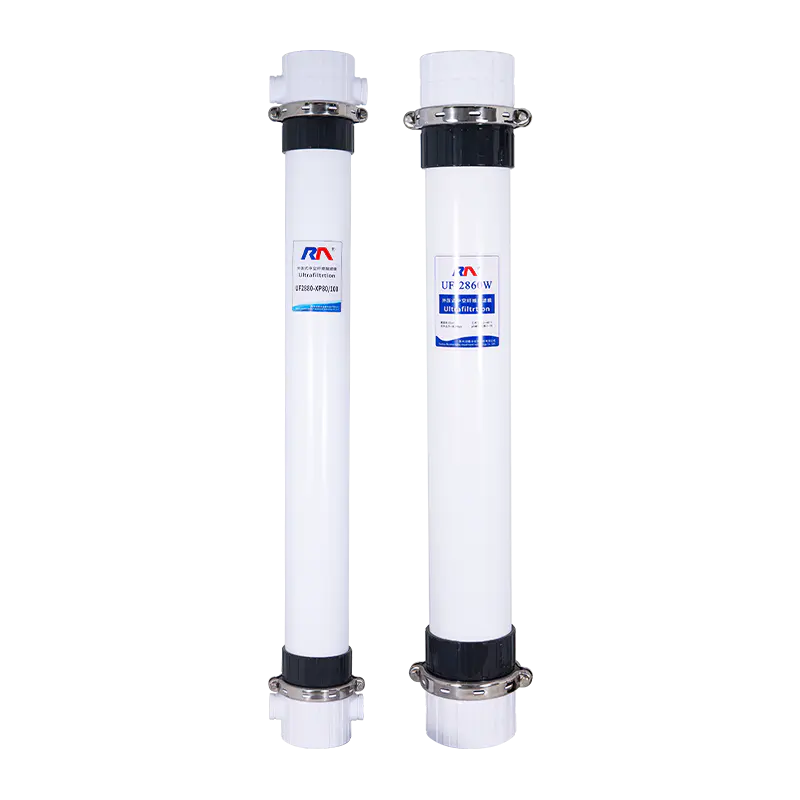
Raw water extracted from surface reservoirs, deep aquifers, or municipal grids frequently contains suspended silt and microscopic organic matter. Inadequate pretreatment protocols often trigger rapid particulate fouling and irreversible membrane channel blockage within high-pressure loops. Industrial operators deploy multi-barrier clarification trains, including media filters and ultrafiltration, to protect delicate separation modules from premature physical damage. Analyzing silt density indexes daily verifies that incoming fluid meets strict manufacturer inlet quality criteria before processing.
Comprehensive pretreatment stabilizes overall plant performance and shields sophisticated polymer elements from unexpected chemical shock and biological growth. Robust upstream protection secures continuous low-pressure performance across demanding operating environments during seasonal raw water quality fluctuations. Facility engineers prioritize multi-stage pretreatment trains to maintain stable fluid permeability across extended operating cycles. Proper upstream care remains vital for preserving active surface cleanliness.
Conclusion
Advanced liquid purification relies on sophisticated separation components that deliver high permeate quality while operating under diverse environmental conditions. Runmo operates as a professional manufacturer specializing in advanced industrial membranes, including high-performance FR series elements like the FR series brackish membrane featuring specialized surface modification technology. Product lines serve municipal water supply, industrial power generation, electronics manufacturing, and food processing industries globally. Explore how custom fluid treatment configurations from Runmo can support upcoming municipal or industrial projects by reaching out to the technical advisory team today.