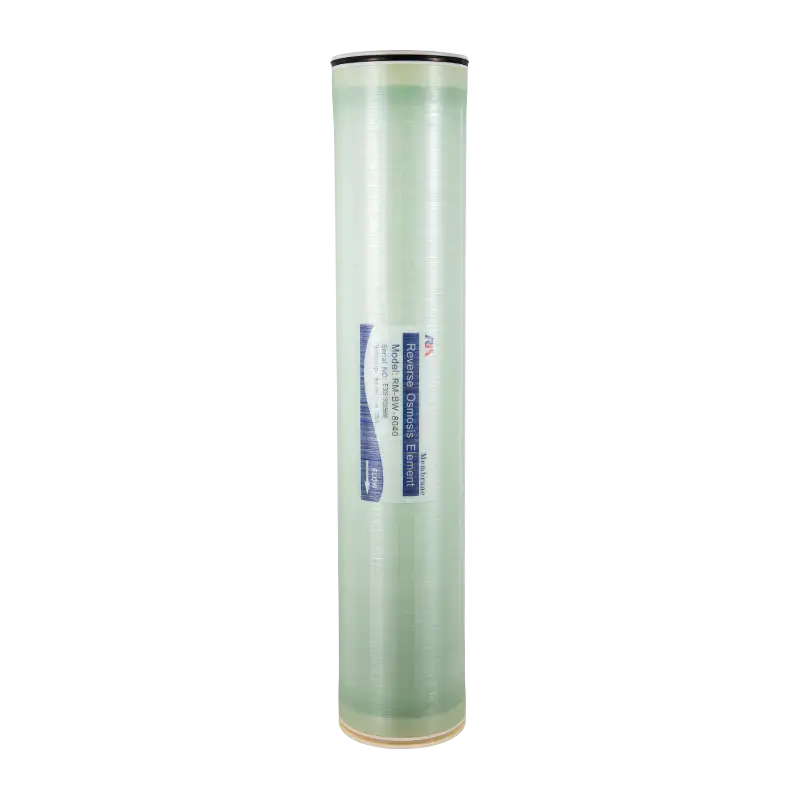
Coastal communities and arid regions globally face severe freshwater scarcity as traditional underground aquifers gradually deplete. Seawater covers vast portions of the planet, yet transforming this saline resource into potable liquid requires sophisticated separation technology. Utilizing a specialized seawater reverse osmosis membrane enables industrial plants to extract high-purity water directly from the ocean. Modern membrane science provides the crucial thermodynamic barrier necessary to sustain coastal populations and maritime industries.
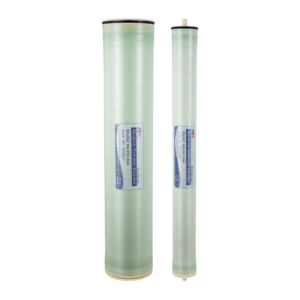
Structural Innovations in Aromatic Polyamide Elements
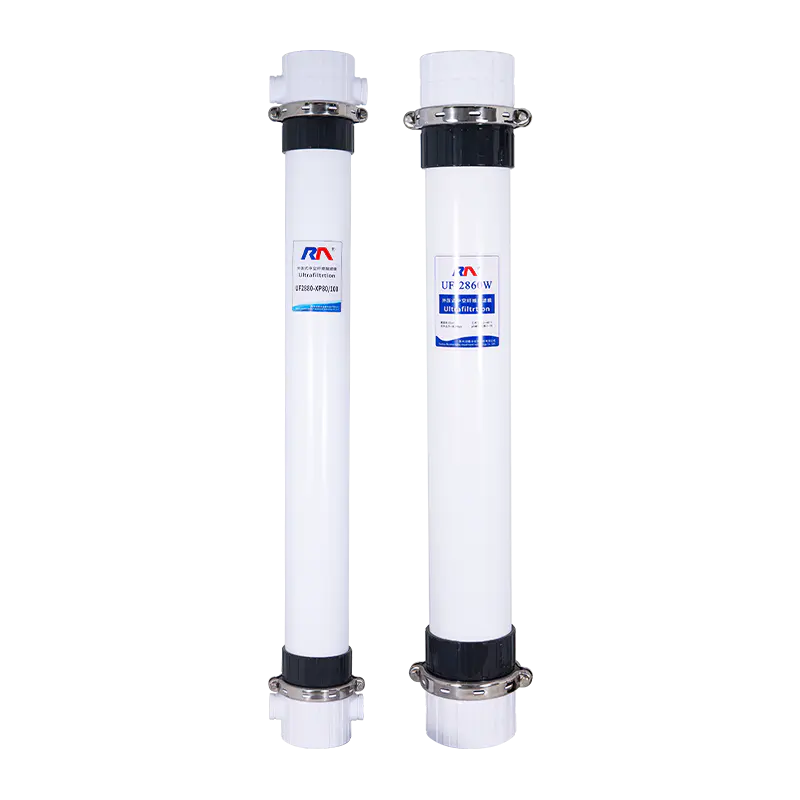
Material science breakthroughs have yielded sophisticated aromatic polyamide composite structures designed specifically for extreme marine environments. Engineering teams optimize the internal configuration of each module to maximize pure water yield under demanding operational parameters. Integrating a refined seawater reverse osmosis membrane allows facility designers to reduce the total quantity of active elements required per vessel. Such structural enhancements streamline overall plant design while maintaining exceptional salt rejection performance standards.
Interfacial polymerization techniques deposit ultra-thin active layers onto porous polysulfone support backings with microscopic precision. This multi-layered composite design withstands high operating pressures without experiencing polymer compaction or flux decline over time. Scientific advancements in cross-linking density maximize solute rejection while optimizing fluid permeability across cold and warm ocean water feeds.
Low Operating Pressure and Energy Optimization
Desalination facilities consume massive amounts of electrical power to drive high-pressure pumps through prolonged operating cycles. Modern module geometry successfully lowers the operational energy threshold required for effective marine water purification. Operating at reduced hydraulic pressures decreases the electrical power demanded by heavy-duty high-pressure pumping stations significantly. Plant supervisors utilize these low-pressure characteristics to manage facility energy budgets more sustainably over long operational horizons.
Lower mechanical stress profiles extend the operational lifespan of auxiliary infrastructure components like high-pressure piping manifolds and valves. Energy-saving separation technologies transform how coastal facilities manage municipal water purification and large-scale industrial fluid processing tasks. Technical operators monitor energy consumption metrics daily to verify that high-pressure pumps operate within optimal efficiency ranges.
High Desalt Performance and Single-Stage Production
Producing potable drinking water directly from raw ocean feeds traditionally required multi-pass processing configurations and extensive chemical intervention. Advanced SW series elements achieve exceptional salt rejection rates, enabling potable water production through a single-stage reverse osmosis process. Achieving high desalination performance in one pass simplifies facility architecture and reduces auxiliary equipment requirements substantially. Communities receive safe, low-salinity drinking water that complies with stringent international health standards immediately after final polishing.
Conducting periodic ionic analyses ensures that permeate salinity levels remain well below critical public health tolerance thresholds. Microscopic ionic breakthrough can trigger public health concerns if municipal supply systems lack rigorous monitoring protocols. Rigorous separation protocols safeguard delicate downstream distribution networks and protect community health across coastal regions.
Pretreatment Protocols for Marine Feed Streams
Raw ocean water extracted from coastal intakes frequently contains suspended sand, biological plankton, and organic macromolecules. Inadequate pretreatment protocols often trigger rapid particulate fouling and irreversible membrane channel blockage within high-pressure loops. Industrial operators deploy multi-barrier clarification trains, including media filters and ultrafiltration, to protect delicate separation modules from premature physical damage. Analyzing silt density indexes daily verifies that incoming marine fluid meets strict manufacturer inlet quality criteria before processing.
Comprehensive pretreatment stabilizes overall plant performance and shields sophisticated polymer elements from unexpected chemical shock and biological growth. Robust upstream protection secures continuous high-pressure performance across demanding coastal operating environments during seasonal algal blooms. Facility engineers prioritize multi-stage pretreatment trains to maintain stable fluid permeability across extended operating cycles.
Marine Environmental Protection and Effluent Management
Modern environmental regulations require coastal industrial facilities to manage concentrated brine discharge volumes through careful dispersion modeling. Advanced membrane systems concentrate residual mineral fractions into tightly controlled brine streams before safe return to the ocean. Effective desalination strategies minimize ecological stress on local marine habitats and coastal aquatic ecosystems. Sustainable liquid management bridges the gap between industrial water production and ecological conservation on a global scale.
Environmental engineers rely on advanced polymer systems to reduce the ecological footprints of large-scale marine desalination operations. Effective brine dispersion initiatives protect benthic marine organisms from localized salinity spikes and chemical pollutant loads. Preserving regional marine biodiversity requires continuous technological innovation and rigorous operational management across every coastal facility.
Economic Viability in Large-Scale Desalination Projects
Adopting advanced separation technologies yields substantial financial optimization for large-scale municipal infrastructure projects and industrial processing plants. Optimizing fluid recovery rates reduces raw water intake volumes and minimizes expensive marine intake structure maintenance fees. Furthermore, durable polymer modules lower replacement frequencies, thereby conserving capital expenditure budgets over extended operational lifespans. Financial efficiency remains a primary driver behind the widespread adoption of modern marine membrane filtration systems.
Project developers allocate saved financial resources toward broader facility automation and environmental monitoring upgrades. Lower maintenance overhead combined with reduced chemical consumption improves the overall economic viability of commercial water treatment plants. Economic resilience empowers industrial facilities to maintain competitive advantages within rapidly evolving global markets.
Conclusion
Industrial liquid management continues to evolve as global demand for clean resources intensifies across modern society. At Runmo, we specialize in the technical development and production of high-performance polymer solutions, including advanced separation elements like the seawater reverse osmosis membrane. Our manufacturing expertise encompasses tailored product customisation, rigorous quality control, and comprehensive engineering support for municipal and industrial projects. Connect with our technical advisory team today to discuss custom separation configurations for your upcoming marine desalination initiatives.