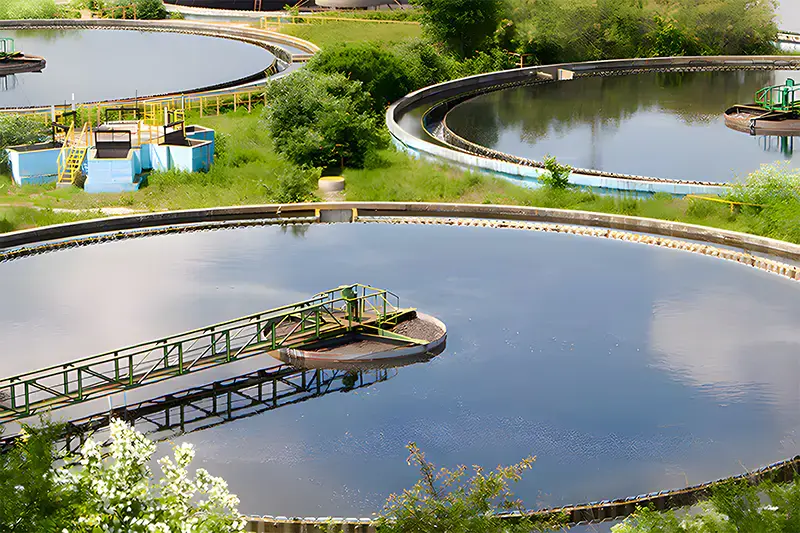
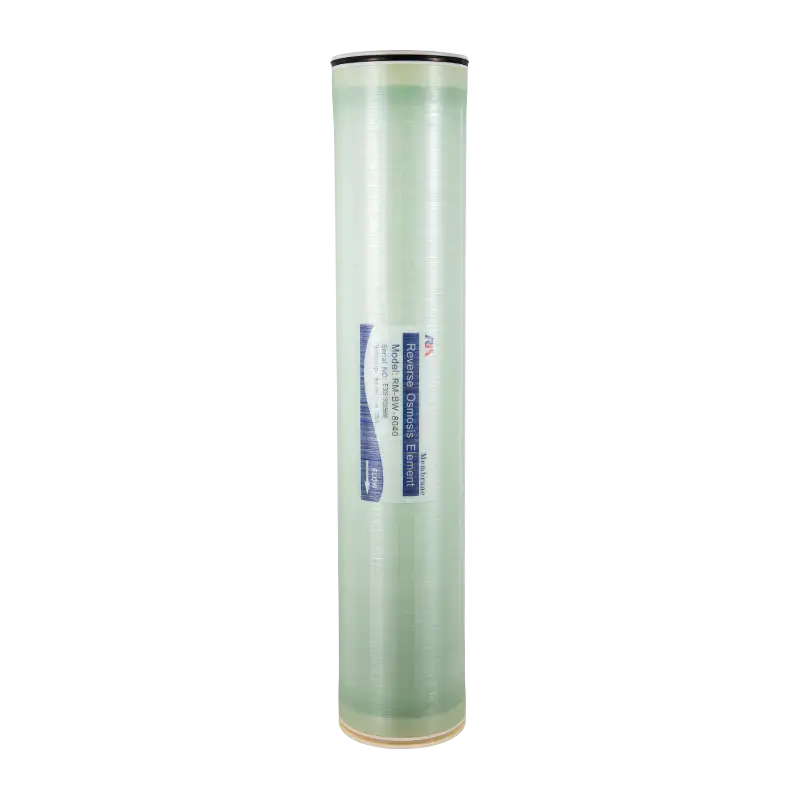
Global aquatic ecosystems face continuous pressure from industrial pollution and municipal waste accumulation, making advanced fluid purification vital for community survival. Scientific researchers continually develop sophisticated physical barriers to separate microscopic contaminants from impaired water sources reliably across global regions. Environmental engineers rely on specialized UF membrane suppliers to source durable separation modules designed for severe operational environments. Examining foundational hollow fiber principles empowers facility managers to optimize fluid recovery and improve overall treatment reliability.
Fluid Dynamics and High-Flux Permeability Design
Pressure-driven filtration relies on forcing raw aqueous streams through porous polymer walls to capture suspended particles efficiently. High porosity across modern polyvinylidene fluoride structures enables exceptional liquid throughput during continuous high-volume production shifts. Technical design specifications dictate that internal fluid distribution channels must maintain uniform velocity to prevent localized fouling. Plant operators monitor cross-flow rates closely to maximize pure water productivity without increasing operating pressures unnecessarily.
Balancing filtration flux with structural integrity prevents membrane compaction during heavy particulate loading intervals. Advanced manufacturing techniques optimize pore distribution networks to ensure consistent liquid permeability across every active module surface. Proper hydrodynamic management extends component lifespans significantly across demanding municipal and industrial processing installations.
Mechanical Flexibility and Filament Tensile Strength
Physical durability remains a paramount consideration when engineers design high-flow municipal and industrial liquid processing units. Flexible polymer filaments absorb mechanical stress effectively during pressurized backwashing and continuous air scouring routines. This inherent flexibility reduces physical snapping rates significantly compared to brittle alternative polymers deployed historically. Field investigation results demonstrate that modern hollow fiber configurations maintain exceptionally low breakage frequencies over extended lifespans.
Minimizing filament damage protects downstream polishing units from particulate contamination and untreated raw water breakthrough events. Structural resilience allows separation modules to endure rigorous hydraulic shocks without suffering permanent physical deformation or tearing. Plant supervisors prioritize flexible polymer filaments to maintain uninterrupted operational continuity across demanding industrial applications.
Surface Hydrophilicity and Pollution Resistance
Microbial fouling and organic accumulation present persistent operational hurdles during continuous liquid clarification and wastewater treatment processes. Modern manufacturing techniques modify membrane surfaces to enhance hydrophilicity and alter electric charge dynamics significantly. Increasing surface energy discourages the adhesion of suspended pollutants and microorganisms onto active filtration areas during operation. Advanced anti-pollution treatments reduce the frequency of chemical washing interventions required throughout routine maintenance schedules.
Minimizing organic fouling preserves stable transmembrane pressure profiles over extended operating hours without severe flux decline. Technical teams rely on chemically modified polymers to maintain consistent separation performance across multi-year operating windows. Enhanced surface durability translates directly into smoother plant operations for commercial facilities managing complex wastewater streams.
Microscopic Apertures and Pathogen Interception
Raw water sources frequently harbor microscopic pathogens, bacteria, and colloidal matter that threaten public health and industrial system safety. Ultrafiltration modules feature exceptionally small nominal apertures capable of removing almost all suspended particles and biological agents. Physical size exclusion mechanisms block bacteria and pathogens effectively without relying heavily on chemical disinfection additives. Water treatment technicians deploy these fine-pore barriers to purify municipal supplies and drinking water reservoirs safely.
Capturing microscopic turbidity prevents downstream scaling and biological contamination inside sensitive reverse osmosis separation loops. Rigorous pathogen removal safeguards delicate machinery and reduces overall plant maintenance downtime substantially across commercial installations. Multi-barrier protection secures high-purity water standards across diverse municipal and industrial processing sectors.
External Pressure Structures and Backwash Efficiency
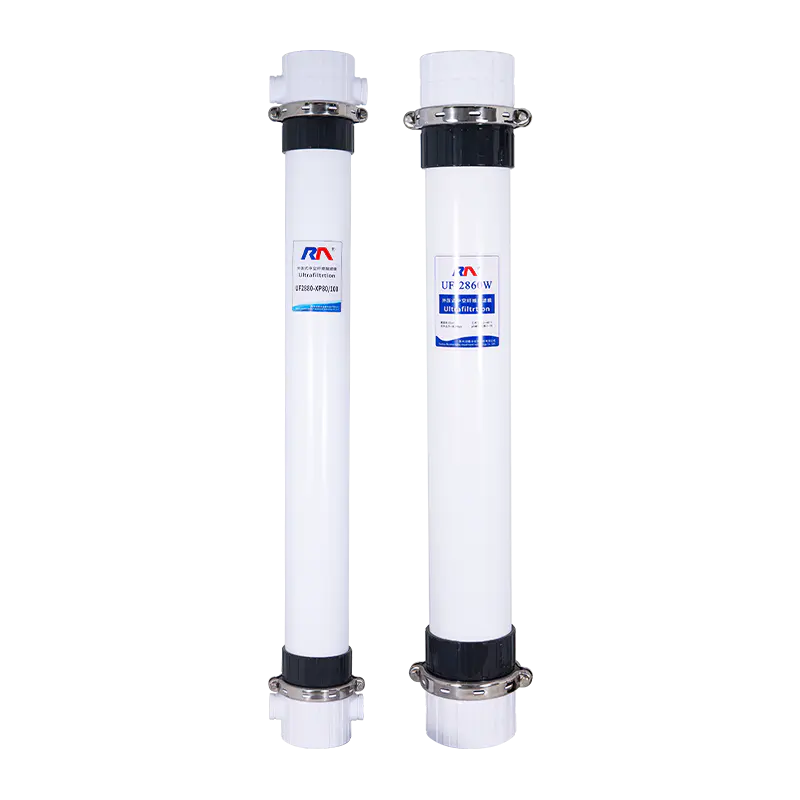
External pressure configurations distribute incoming raw fluid efficiently across massive active membrane filtration surface areas. Liquid flows inward through microscopic pores, leaving suspended colloids and pathogens trapped outside the hollow fibers. Utilizing outside-in hydrodynamic designs prevents internal particulate clogging and simplifies routine surface cleaning procedures significantly. Effective cross-flow fluid dynamics sweep accumulated debris away from active filtration surfaces continuously during operation.
Component longevity depends heavily on thorough surface cleaning protocols that remove accumulated foulants before permanent blinding occurs. External pressure designs allow operators to execute aggressive hydraulic backwashes and oxidant cleaning cycles more thoroughly. Quick removal of surface cake layers restores original water flux rates rapidly, keeping the filtration system operating at peak efficiency.
Municipal Wastewater Reuse and Reclamation Projects
Municipal authorities manage vast distribution networks that must reclaim impaired water to offset severe regional resource shortages. Advanced membrane systems facilitate the concentration and recovery of valuable liquid fractions from complex municipal effluent streams. Processing secondary sewage helps cities comply with strict environmental discharge mandates while conserving regional water supplies. Sustainable liquid management bridges the gap between industrial productivity and ecological conservation on a global scale.
Environmental engineers rely on advanced polymer systems to reduce the ecological footprints of large-scale municipal reclamation operations. Effective recycling initiatives protect natural aquatic ecosystems from harmful chemical and mineral pollutant loads. Preserving regional water resources requires continuous technological innovation and rigorous operational management across every urban sector.
Industrial Effluent Treatment and Pretreatment Solutions
Industrial manufacturing plants generate complex wastewater streams containing aggressive solvents, heavy metals, and high concentrations of suspended solids. Industrial facility managers deploy robust ultrafiltration units as primary pretreatment barriers ahead of high-pressure desalination modules. Upstream clarification captures colloidal silica and organic macromolecules before raw fluid reaches delicate reverse osmosis separation loops. Minimizing particulate loading reduces overall chemical cleaning requirements and lowers long-term plant maintenance costs.
Integrated multi-stage protection secures continuous high-performance operation across demanding factory operating environments. Industrial processors achieve long-term environmental compliance without compromising daily manufacturing productivity or output quality. Collaborating with experienced UF membrane suppliers helps engineering teams configure reliable pretreatment trains for complex raw water profiles.
Conclusion
Strict environmental regulations and rising performance expectations drive the need for advanced water treatment technologies. At Runmo, we engineer high-quality polymer-based filtration products, notably our outside-in PVDF ultrafiltration membrane elements known for durability and chemical resistance. Our components are trusted in municipal and industrial settings where reliable solids removal is essential. We encourage technical professionals to reach out to our advisory group—we are available to explore custom configurations tailored to specific treatment objectives.