Coastal ecosystems and arid municipal territories increasingly rely on advanced saline conversion technology to secure reliable daily drinking water supplies. Transforming dense oceanic brine into crystal-clear hydration streams requires sophisticated separation science and specialized membrane engineering. Deploying a dependable SWRO membrane allows engineering teams to extract pure water directly from challenging marine environments. Exploring the thermodynamic principles of high-pressure desalination empowers operators to optimize coastal liquid processing infrastructure.
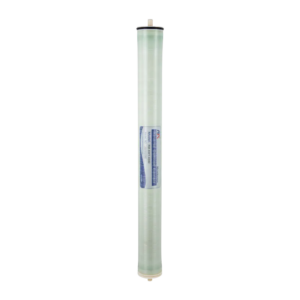
Thermodynamic Fundamentals of High-Pressure Marine Desalination
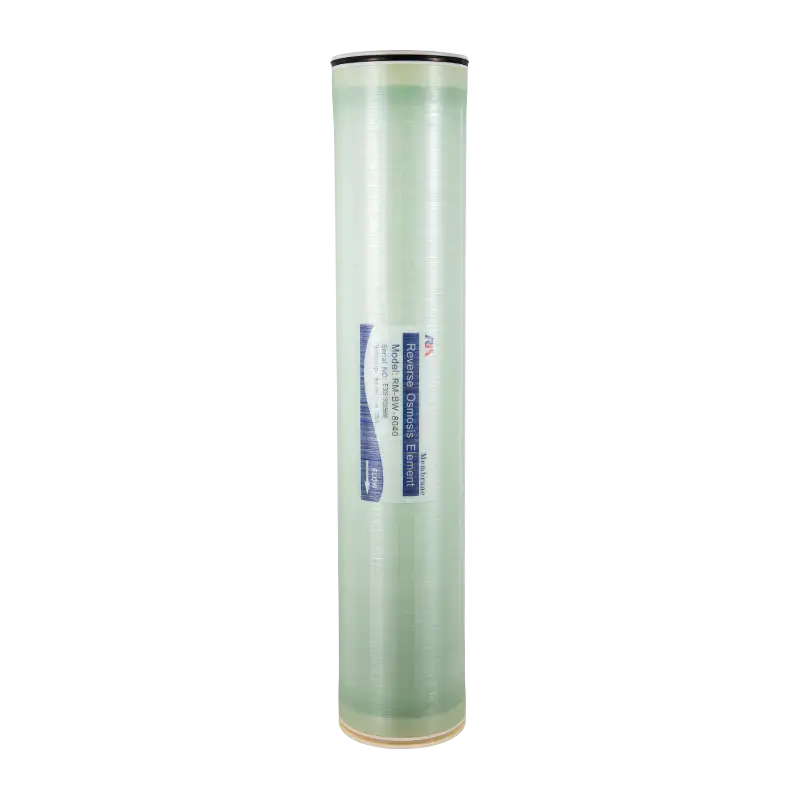
Natural osmotic pressure compels solvent molecules to migrate toward regions of higher ionic concentration across natural semi-permeable boundaries. Overcoming this thermodynamic barrier demands substantial mechanical force generated by heavy-duty high-pressure pumping stations. Specialized composite elements utilize thin-film polyamide layers that block sodium and chloride ions while allowing pure water molecules to pass freely. Fluid dynamics principles dictate that cross-flow velocities must remain precisely calibrated to prevent severe concentration polarization on active surfaces.
Before the widespread adoption of reverse osmosis, large-scale seawater desalination relied primarily on thermal distillation processes such as Multi-Stage Flash (MSF) and Multi-Effect Distillation (MED). These methods operate by evaporating seawater and condensing the resulting vapor—a process that consumes significant amounts of thermal energy, typically supplied by steam from power plants or dedicated boilers. While thermally driven desalination can produce high-purity water, the energy intensity of MSF and MED makes them economically viable only where low-cost fuel or waste heat is readily available, and their capital costs remain substantially higher than membrane-based alternatives.
Membrane desalination offers a more energy-efficient pathway to freshwater production. Reverse osmosis systems consume roughly one-tenth of the energy required by thermal distillation per unit of water produced, and they can be deployed in modular configurations that scale with demand. The lower energy consumption translates directly into reduced operational costs, particularly important for facilities operating in regions with high electricity prices or carbon constraints. Our SWRO membrane elements are engineered to maintain stable salt rejection and flux rates under the demanding conditions of seawater desalination, helping plant operators achieve reliable performance without the high fuel or steam costs associated with thermal alternatives.
Managing hydraulic pressure differentials effectively protects internal module structures from experiencing structural deformation during continuous operation. Specialized flow channels distribute incoming saline streams evenly across every individual element housed inside pressure vessels. Proper hydraulic management sustains consistent liquid productivity over multi-year operating windows without requiring frequent unplanned shutdowns.
Structural Innovations in High-Salinity Separation Elements
Material science breakthroughs have yielded sophisticated aromatic polyamide composite structures designed specifically for extreme marine environments. Engineering teams optimize the internal configuration of each module to maximize pure water yield under demanding operational parameters. Integrating a refined SWRO membrane allows facility designers to streamline vessel arrays while maintaining exceptional salt rejection performance standards. Such structural enhancements simplify overall plant design without sacrificing high-purity permeate output.
Interfacial polymerization techniques deposit ultra-thin active layers onto porous polysulfone support backings with microscopic precision. This multi-layered composite design withstands high operating pressures without experiencing polymer compaction or flux decline over time. Scientific advancements in cross-linking density maximize solute rejection while optimizing fluid permeability across cold and warm ocean water feeds.
Power Generation and Boiler Feed Water Purification
Thermal power stations consume massive volumes of water to generate high-pressure steam that drives electricity turbines. Mineral-laden boiler feed water causes hazardous scale deposition on internal turbine blades, reducing overall plant operational efficiency. Power plant operators deploy sophisticated desalination hardware to remove calcium, magnesium, and reactive silica before water enters boilers. Preventing mineral scaling protects heavy-duty infrastructure from premature mechanical failure and costly downtime.
Closed-loop cooling towers also require continuous side-stream filtration to manage suspended solid accumulation and mineral concentration. Industrial engineers design robust pre-treatment trains to safeguard primary steam generation equipment against thermal shock. Reliable separation technology supports uninterrupted electrical power generation across regional energy distribution networks.
Pretreatment Protocols for Marine Feed Streams
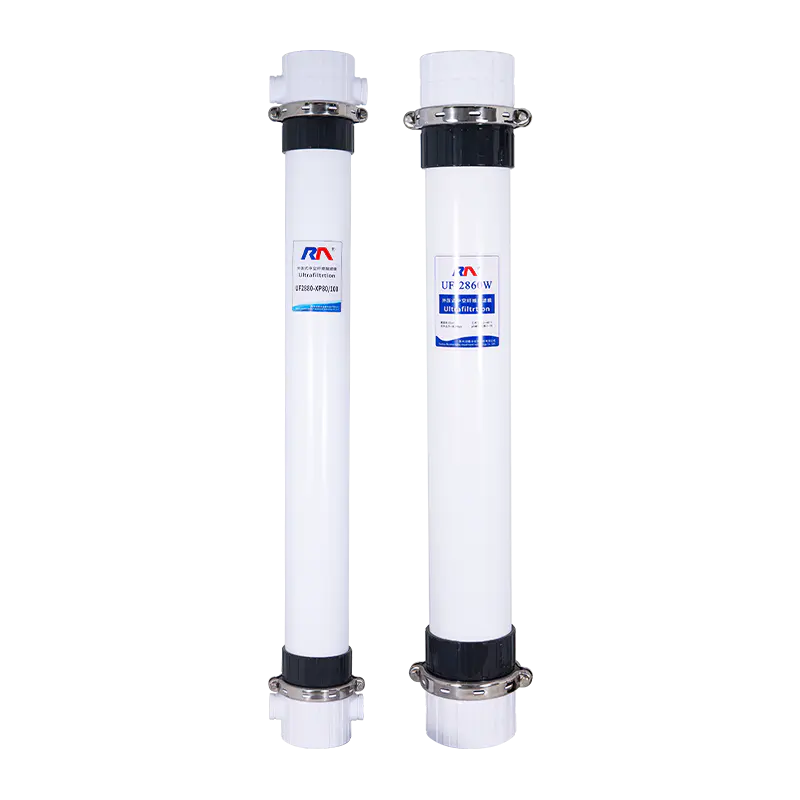
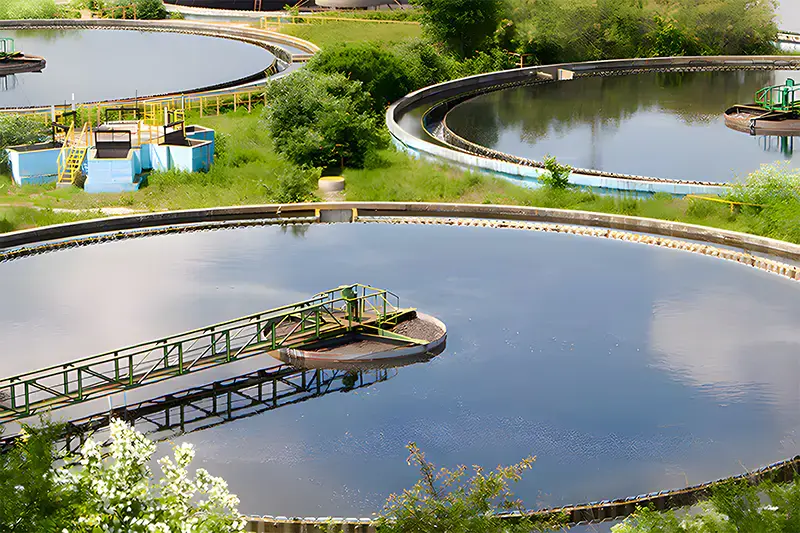
Raw ocean water extracted from coastal intakes frequently contains suspended sand, biological plankton, and organic macromolecules. Inadequate pretreatment protocols often trigger rapid particulate fouling and irreversible membrane channel blockage within high-pressure loops. Industrial operators deploy multi-barrier clarification trains, including media filters and ultrafiltration, to protect delicate separation modules from premature physical damage. Analyzing silt density indexes daily verifies that incoming marine fluid meets strict manufacturer inlet quality criteria before processing.
Comprehensive pretreatment stabilizes overall plant performance and shields sophisticated polymer elements from unexpected chemical shock and biological growth. Robust upstream protection secures continuous high-pressure performance across demanding coastal operating environments during seasonal algal blooms. Facility engineers prioritize multi-stage pretreatment trains to maintain stable fluid permeability across extended operating cycles.
Material Durability and Long-Term Operational Stability
Sustained performance in aggressive saline environments requires exceptional chemical resistance and mechanical resilience from every installed filtration module. Advanced polymer cross-linking protects active separation layers against aggressive cleaning agents and environmental degradation over extended lifespans. Engineers evaluate chemical compatibility metrics carefully to prevent premature membrane failure during routine sanitization cycles. Maintaining stable flux rates across multi-year operating windows reduces the frequency of unexpected component replacements.
Rigorous quality control during manufacturing ensures uniform structural integrity across every individual hollow fiber or spiral-wound element. Reliable physical performance means that routine water washing and chemical cleaning cycles will not compromise long-term operational capabilities. Selecting durable filtration components empowers facility managers to maintain consistent purification standards throughout demanding industrial processing schedules.
Conclusion
Global demand for clean water and responsible resource management continues to drive rapid evolution in industrial liquid treatment. At Runmo, we are dedicated to the development and production of high-performance polymer-based separation technologies, including advanced SWRO membrane elements engineered for seawater desalination.
Our capabilities extend across the full project lifecycle—from tailored product customization and stringent quality assurance to responsive engineering support for municipal and industrial installations. We invite project developers and design engineers to engage with our technical advisory team; we are prepared to discuss custom separation configurations for upcoming marine desalination initiatives.