Water quality challenges vary so widely that no single treatment approach can adequately address them all. From removing dissolved salts in seawater desalination to clarifying municipal supplies, the choice of membrane solution directly determines treatment outcomes. Ultrafiltration (UF), nanofiltration (NF), and reverse osmosis (RO) each occupy distinct positions in the separation spectrum, with pore sizes ranging from 0.1 microns down to 0.0001 microns. Understanding these differences helps engineers avoid over-treating or under-treating a given water source. The following sections examine how each technology fits into a complete treatment strategy.
What Ultrafiltration Brings to Pretreatment
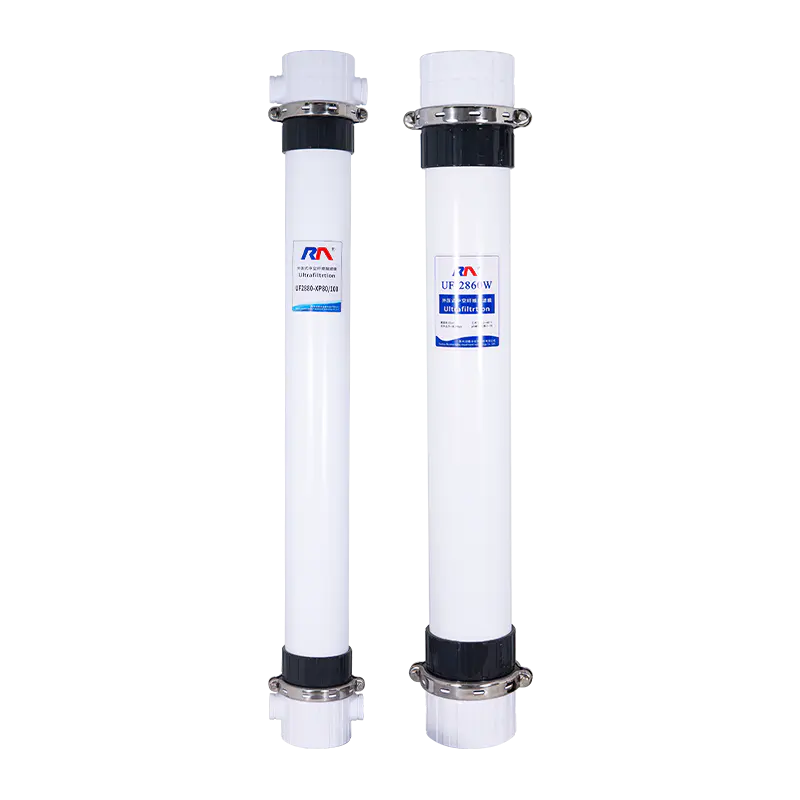
UF membranes operate in the 0.01 to 0.1 micron range, making them well suited for removing suspended solids, colloidal matter, bacteria, and viruses. Many municipal plants use UF as a pretreatment step before reverse osmosis, since it reduces the fouling potential of downstream RO elements. The operating pressure for UF typically stays between 1 and 5 bar, which keeps energy demands modest compared to tighter membranes.
UF also serves as a primary barrier in drinking water applications, where it removes pathogens without stripping beneficial minerals. For industrial wastewater reuse, UF can handle variable feed quality and high solids loads, protecting sensitive downstream equipment. When selecting a membrane solution for pretreatment, UF often provides the most practical balance of removal efficiency and operational simplicity.
Nanofiltration: Selective Removal Between UF and RO
NF membranes feature pore sizes around 0.001 micron, placing them between UF and RO in terms of separation capability. They reject divalent ions such as calcium and magnesium while allowing monovalent ions like sodium and chloride to pass through more freely. This selective behaviour makes NF valuable for water softening, colour removal from surface water, and partial desalination where complete salt removal is unnecessary.
Operating pressures for NF range from 3.5 to 30 bar, which is higher than UF but significantly lower than RO. NF membranes remove organic compounds with molecular weights between 200 and 800 Daltons, making them effective for trace contaminant control. In many treatment trains, NF serves as an intermediate membrane solution that reduces the load on RO systems while achieving higher purity than UF alone can provide.
Reverse Osmosis for High-Purity Requirements
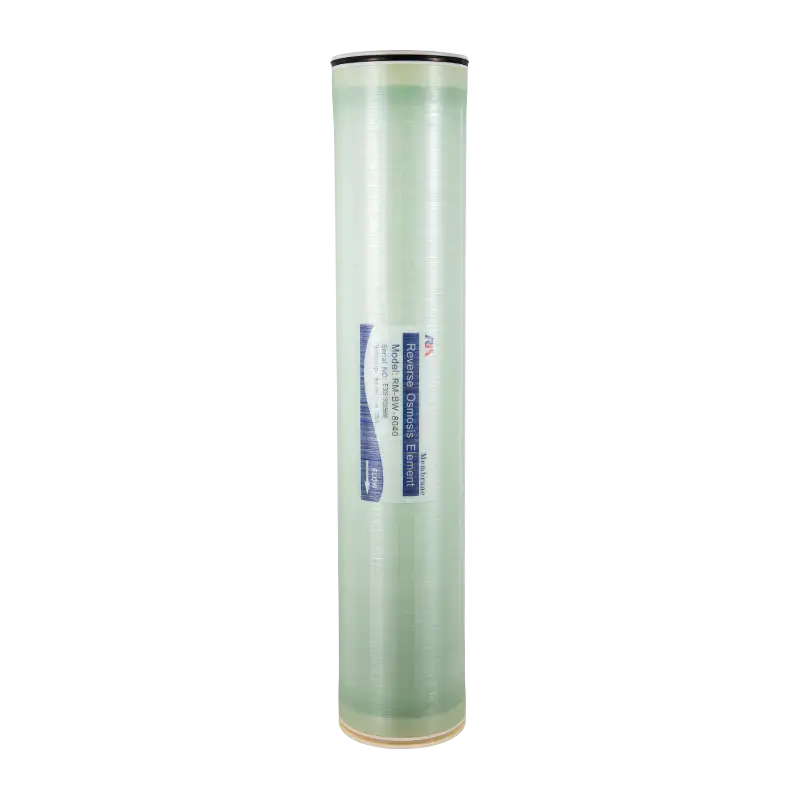
RO membranes represent the tightest class of pressure-driven membranes, with pore sizes small enough to reject nearly all dissolved salts and organic compounds above 100 Daltons molecular weight. Seawater desalination relies on RO to produce potable water from saline sources, with typical rejection rates exceeding 99% for sodium chloride. Brackish water RO operates at lower pressures than seawater versions, making it suitable for treating groundwater and industrial process streams.
The energy requirements for RO are substantial, yet modern system designs incorporate energy recovery devices to improve overall efficiency. RO finds application in boiler feed water treatment, electronics manufacturing, pharmaceutical production, and potable water reuse projects. When the treatment goal demands near-complete demineralisation, RO remains the preferred membrane solution despite its higher operating costs.
Selecting Based on Feed Water Composition
The starting point for any membrane selection involves a thorough analysis of feed water quality. High suspended solids and biological activity point toward UF as a primary treatment step, since coarser membranes handle particulate loads more effectively. Where hardness or colour are the main concerns, NF offers a cost-effective alternative to full RO treatment. For applications requiring extensive salt removal—such as seawater desalination or high-purity water production—RO becomes the necessary choice.
Many facilities implement multi-stage configurations that combine two or more membrane types. A common arrangement uses UF for pretreatment, followed by RO for demineralisation, with NF sometimes inserted between them for selective ion removal. This layered approach distributes the treatment burden across different membrane solution technologies, extending the service life of each stage and improving overall system reliability.
Operational Considerations Across Membrane Types
Fouling management differs substantially between membrane classes. UF membranes tolerate higher solids loading and respond well to physical cleaning methods such as backwashing and air scouring. NF and RO membranes require more careful feed water preparation, since they are more susceptible to scaling and organic fouling. Chemical cleaning protocols must be tailored to each membrane type, with UF typically allowing a broader range of cleaning agents due to its more open structure.
Pretreatment design also varies with the chosen membrane technology. UF systems often include coarse screens and coagulation-flocculation steps to reduce particulate loads. NF and RO systems demand finer pretreatment, including cartridge filtration and antiscalant dosing, to protect the membrane surface from irreversible damage. Each membrane solution brings its own set of operational requirements that influence system design and maintenance planning.
Energy and Cost Implications
Energy consumption increases as membrane pore size decreases, with UF operating at the lowest pressures and RO at the highest. NF falls between the two, offering a middle ground for applications that do not require complete salt removal. This energy hierarchy directly affects operating expenses, making UF attractive for high-flow, low-purity applications and RO more suitable for smaller volumes requiring high-quality output.
Beyond energy, membrane replacement costs vary with the technology. UF membranes generally have longer service lives due to their more robust construction and tolerance for harsh conditions. RO membranes may require more frequent replacement, particularly in challenging feed water environments. Evaluating the total cost of ownership helps facility managers select the appropriate membrane solution that balances capital investment, energy consumption, and replacement intervals.
Integrating Membranes into Complete Treatment Trains
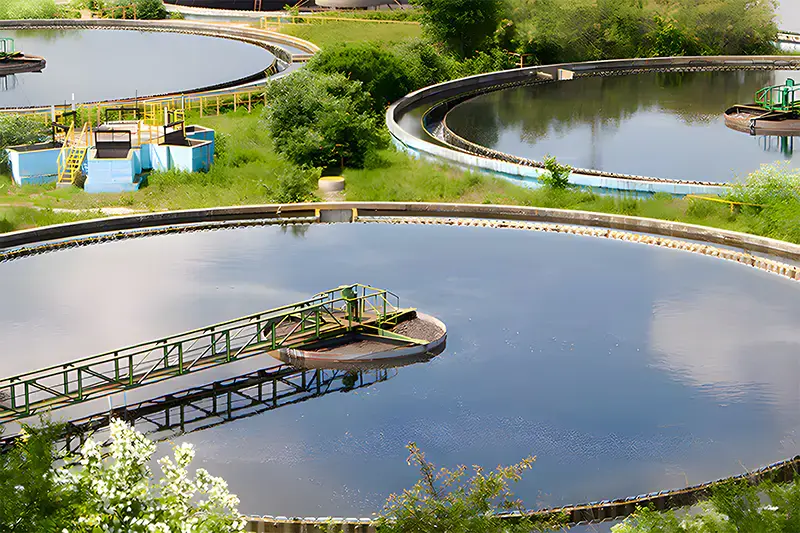
Modern water treatment facilities rarely rely on a single membrane type. Instead, they construct treatment trains that sequence multiple technologies to achieve specific water quality goals. A typical industrial reuse system might begin with UF to remove suspended solids and bacteria, followed by RO to reduce dissolved salts, with provisions for NF integration if selective ion removal becomes necessary. This modular approach allows operators to adjust treatment intensity based on changing feed conditions or product water requirements.
The integration of different membrane technologies also provides operational flexibility. During periods of high feed water turbidity, UF can be operated at higher recovery rates to reduce the load on downstream RO stages. When product water quality requirements shift, NF can be brought online to address specific contaminants without running the entire RO system. This adaptability makes the combined membrane solution approach attractive for facilities facing variable water sources or evolving treatment objectives.
Conclusion
Selecting the right membrane technology requires a clear understanding of feed water characteristics, treatment objectives, and operational constraints. UF addresses particulate and microbial removal at modest energy costs, NF provides selective ion and organic contaminant control, and RO delivers the highest purity for demanding applications. Many projects benefit from combining these technologies in staged configurations that optimise performance across the entire treatment train.
We at Runmo support these efforts through membrane material customisation, system design, and engineering implementation, drawing on experience across industrial wastewater reuse, municipal water supply, and seawater desalination. For those planning new treatment systems or upgrading existing ones, consulting with technical specialists on appropriate membrane solution configurations can help align technology selection with specific water quality goals.