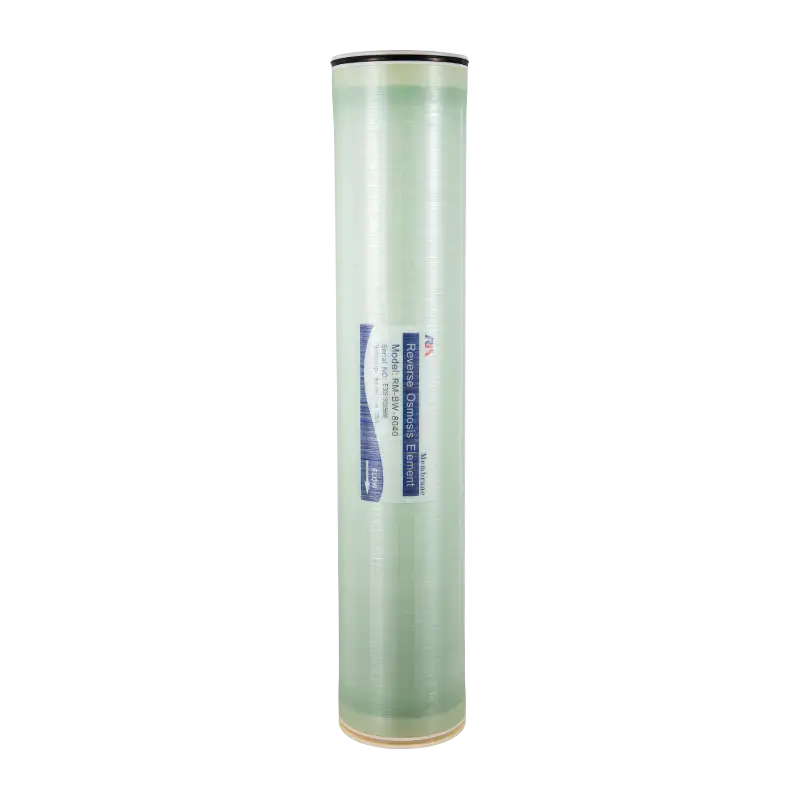
Beverage industry wastewater treatment involves managing large volumes of effluent with high organic content, variable composition, and significant seasonal fluctuations. These characteristics make treatment particularly challenging for conventional systems designed around steady influent conditions. Membrane‑based processes have emerged as effective tools for addressing these difficulties, offering precise separation capabilities that align with increasingly stringent discharge standards. From breweries to soft drink plants, facility operators are turning to membrane technology as a core component of their wastewater management strategies.
Wastewater Characteristics That Define Treatment Needs
The composition of beverage wastewater varies considerably across different production types. Brewery effluents contain yeast, proteins, carbohydrates, and cleaning chemicals, while soft drink facilities deal with fluctuating sugar loads and product losses. Juice and dairy beverage operations experience spikes in organic concentration and suspended solids. Chemical oxygen demand levels in these streams commonly range from 2,000 to 20,000 mg/L, driven primarily by sugars and organic acids.
Production schedules introduce additional variability that complicates treatment design. Changeovers between product runs, sanitation events, and seasonal product offerings all influence wastewater composition throughout the day. This instability means treatment systems must handle not only high organic loads but also rapid shifts in feed quality. Conventional pretreatment approaches often struggle under these conditions, as performance becomes less predictable when organic loading increases.
Membrane Bioreactors as a Primary Treatment Stage
Membrane bioreactor technology combines biological degradation with membrane separation, offering a compact alternative to conventional activated sludge systems. The membrane component replaces the traditional secondary clarifier, producing a high-quality permeate with suspended solids concentrations below 1 mg/L. This quality makes MBR permeate suitable for direct reuse applications or as feed to downstream reverse osmosis systems.
Field installations have demonstrated the effectiveness of this approach in beverage applications. One facility treating dairy and non-dairy beverage wastewater achieved removal rates of 97.4% for biochemical oxygen demand and 94.2% for chemical oxygen demand using an MBR system. The same installation reported ammonia removal exceeding 95%, with permeate quality consistently meeting cooling tower reuse specifications. MBR systems also offer advantages in facilities with limited space, as their smaller footprint compares favorably with conventional treatment trains.
Ultrafiltration for Pretreatment and Solids Removal
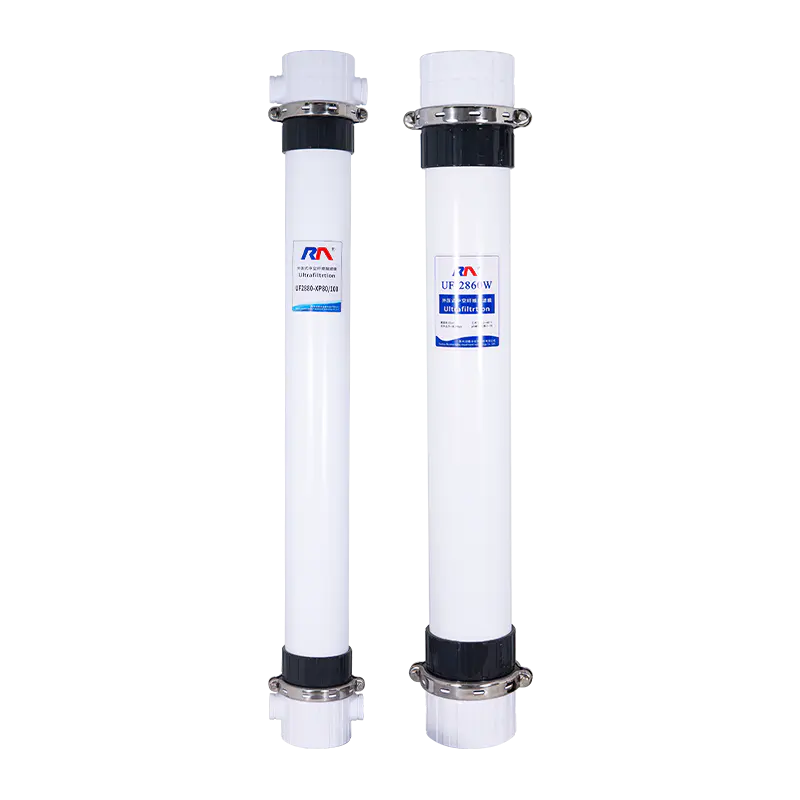
Ultrafiltration membranes operate in the 0.01 to 0.1 micron range, effectively removing suspended solids, colloidal material, and bacteria from beverage wastewater streams. When positioned upstream of reverse osmosis, UF serves as a protective barrier that reduces fouling potential on the RO membranes. The relatively low operating pressures of UF systems keep energy demands modest compared to tighter membrane classes.
However, conventional UF membranes face limitations when treating highly variable beverage wastewater. Performance often declines as organic loading increases, with permeate quality fluctuating and transmembrane pressures rising. When UF pretreatment becomes inconsistent, the downstream RO system inherits those challenges. This dynamic has prompted renewed attention to pretreatment selection and the development of membrane materials better suited to high-organic streams.
Reverse Osmosis for Polishing and Reuse
Reverse osmosis provides the highest level of dissolved solids removal among pressure-driven membranes, making it essential for producing reuse-quality water from beverage wastewater. RO systems can reduce conductivity from approximately 1750 μS to around 90 μS, enabling treated water to meet demanding quality specifications. One facility using RO after MBR treatment achieved 98% ion removal and offset up to 50% of cooling water demand through reuse.
Organic fouling remains the primary operational challenge for RO systems treating beverage wastewater. Proteins, polysaccharides, and other dissolved organics that pass through pretreatment stages adsorb onto the RO membrane surface, gradually reducing permeability. Each cleaning event restores less permeability than the previous one, even as cleaning frequency and chemical intensity increase. This progressive fouling behavior underscores the importance of robust pretreatment and appropriate membrane selection.
Integrated Membrane Trains for Complete Treatment
Modern beverage wastewater facilities commonly implement multi-stage membrane configurations that sequence different technologies to achieve specific treatment goals. A typical train might begin with screening and equalization, proceed through MBR or UF for solids removal, and finish with RO for dissolved solids reduction. Some installations incorporate nanofiltration as an intermediate step for selective ion removal or color reduction.
The integration of multiple membrane stages provides operational flexibility that single-stage systems cannot offer. During periods of high organic loading, upstream membranes can be operated at higher recovery rates to reduce the burden on downstream RO stages. When reuse requirements shift, operators can adjust which membrane stages remain online. This layered approach distributes the treatment burden across different technologies, extending the service life of each stage and improving overall system reliability.
Operational Considerations for Membrane Systems
Fouling management strategies differ substantially across membrane types used in beverage wastewater treatment. MBR systems incorporate air scouring and periodic backwashing to maintain permeability, with chemical cleaning performed as needed. UF membranes tolerate higher solids loading and respond well to physical cleaning methods. RO membranes require more careful feed water preparation and are more susceptible to scaling and organic fouling.
Chemical cleaning protocols must be tailored to each membrane type and the specific foulants present in the wastewater stream. Proteins and polysaccharides, common in beverage effluents, respond differently to cleaning agents than inorganic scales or particulate matter. Over time, repeated chemical exposure can accelerate membrane degradation and increase replacement frequency. Monitoring normalized permeate flow and transmembrane pressure helps operators detect early signs of performance decline and adjust cleaning schedules accordingly.
Regulatory Drivers and Reuse Incentives
Environmental regulations continue to tighten across major beverage-producing regions, with stricter limits on biochemical oxygen demand, chemical oxygen demand, total suspended solids, and nitrogen compounds. Municipalities are raising discharge standards, and facilities face increasing pressure to reduce freshwater consumption and wastewater generation. These regulatory trends have accelerated adoption of membrane-based treatment systems that can meet rigorous effluent quality requirements.
Water scarcity in many production regions provides additional motivation for reuse. Facilities in water-stressed areas are looking for ways to reduce freshwater intake and improve resilience against supply disruptions. Membrane systems that produce high-quality reuse water enable facilities to offset a significant portion of their water demand. One installation reported annual water savings of 35.6 million gallons through combined MBR and RO reuse.
Conclusion
Beverage wastewater treatment presents a distinctive set of challenges that call for carefully designed membrane systems capable of handling high organic loads and variable feed conditions. MBR technology offers effective biological treatment with membrane separation in a compact footprint, while UF provides robust solids removal ahead of RO polishing stages. RO delivers the high-purity water needed for reuse applications, though organic fouling requires ongoing attention to pretreatment and membrane selection. The trend toward tighter regulations and greater reuse targets will continue to drive adoption of integrated membrane solutions in this sector.
At Runmo, we develop membrane products and system configurations tailored to the specific demands of beverage wastewater applications, with capabilities spanning membrane material customisation, system design, and engineering implementation. For facilities evaluating treatment upgrades or new installations, consulting with technical specialists on membrane selection and system integration can help align technology choices with treatment objectives and regulatory requirements.