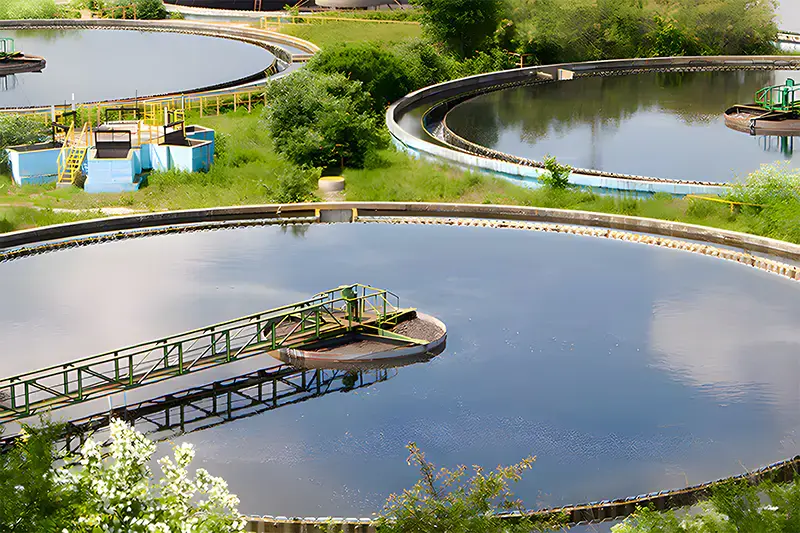
Rapid industrialization and urbanization across eastern manufacturing hubs create unprecedented demands for high-performance fluid separation technologies. Municipal utility operators and factory managers continuously seek reliable purification methodologies to handle diverse aqueous streams without compromising operational stability. Implementing sophisticated membrane separation components establishes a dependable foundation for large-scale liquid processing networks throughout modern infrastructure developments. Scientific collaboration and technical innovation drive the evolution of regional water treatment standards across various industrial sectors.

Water Quality Testing and Initial Inflow Analysis
Comprehensive hydrological assessment forms the critical first step in designing any large-scale liquid purification plant or municipal supply network. Technical specialists examine raw feed compositions thoroughly to identify specific ionic profiles, suspended colloids, and organic contaminants present in the source water. Accurate laboratory diagnostics empower system designers to select appropriate pre-treatment protocols before fluid reaches high-pressure separation modules. Detailed inflow evaluation prevents unexpected particulate fouling and protects sensitive downstream equipment from premature chemical damage.
Laboratory technicians utilize advanced spectrometry and chromatography equipment to detect trace mineral impurities down to ultra-low concentration thresholds. Understanding precise water chemistry variations enables facility engineers to fine-tune operating parameters for optimal system longevity and productivity. Initial testing protocols eliminate guesswork during the preliminary design phase of complex multi-stage separation infrastructure. Rigorous data collection provides a solid foundation for subsequent engineering milestones across industrial manufacturing sites.
Custom Membrane Research and Non-Standard Development
Commercial water treatment challenges frequently demand specialized polymer formulations that exceed the specifications of conventional off-the-shelf separation elements. Research laboratories focus on synthesizing non-market standard membranes tailored specifically to unique industrial effluent characteristics and demanding thermal conditions. Developing bespoke filtration media involves modifying surface charge densities and cross-linking densities to achieve targeted ion separation goals. Tailored polymer engineering allows facility operators to handle highly concentrated chemical solutions without experiencing structural breakdown.
Proprietary polymer chemistry breakthroughs enable manufacturers to produce specialized barrier layers optimized for extreme pH environments and aggressive cleaning agents. Custom-designed filtration modules offer superior resistance against chemical oxidation and biological scaling during continuous heavy-duty operating cycles. Innovation in polymer science bridges the gap between standard municipal treatment and specialized industrial purification requirements. Technical developers collaborate closely with field engineers to translate complex water challenges into effective physical solutions.
Patent-Backed System Design and Process Engineering
Sophisticated fluid processing facilities require intricate piping manifolds, precise pressure regulation, and intelligent automation to maintain continuous operational stability. Engineering teams holding specialized patents for invention bring invaluable expertise to the design of complex reverse osmosis configurations. Skilled system designers calculate hydrodynamic flow distribution meticulously to prevent dead zones inside cylindrical pressure vessels and module housings. Innovative architectural layouts maximize active membrane surface area utilization while minimizing hydraulic energy consumption.
Intellectual property in system process design reflects years of empirical research and field validation across diverse operational environments worldwide. Expert engineers integrate multi-stage filtration trains with advanced automated monitoring sensors to track pressure differentials in real time. Proprietary design methodologies streamline fluid routing, reducing mechanical stress on high-pressure pumps and control valves significantly. Technical excellence in system architecture ensures that treatment plants operate reliably under fluctuating raw water feed conditions.
Industrial Manufacturing and Power Generation Applications
Thermal power stations and heavy manufacturing plants consume massive volumes of liquid to generate high-pressure steam and support continuous cooling circuits. Mineral-laden recharge water can cause hazardous scale deposition on internal turbine blades, reducing overall plant efficiency and threatening mechanical safety. Industrial operators deploy sophisticated separation hardware to remove dissolved silica, calcium, and magnesium before water enters boilers. Maintaining strict purity benchmarks prevents catastrophic equipment failures and unplanned operational downtime across heavy industrial sectors.
Power generation facilities require uninterrupted high-purity water supply to sustain continuous multi-megawatt electrical generation schedules reliably. Advanced separation components handle high-temperature fluid inputs and demanding volumetric loads without experiencing performance degradation or flux decline. Industrial processors rely on robust membrane technology to meet strict environmental discharge mandates and internal quality specifications. Continuous monitoring of steam purity protects heavy-duty machinery throughout extended operational lifespans.
Project Delivery and On-Site System Integration
Deploying large-scale water treatment infrastructure requires seamless coordination between equipment manufacturing, logistical transport, and on-site mechanical installation teams. Project managers oversee every phase of system delivery to ensure that skid-mounted units and pressure vessels arrive safely at the facility site. Field technicians execute precise piping alignments, electrical wiring integrations, and structural anchoring according to rigorous engineering blueprints. Systematic commissioning protocols verify that all pumps, valves, and control panels function in harmony before commercial startup.
Rigorous quality control during the installation phase minimizes potential startup delays and prevents costly mechanical adjustments later in the project lifecycle. Experienced technical crews conduct dry tests and wet pressure checks to validate the structural integrity of high-pressure manifold connections. Smooth project execution empowers facility owners to transition from construction to active commercial production rapidly and safely. Comprehensive on-site integration establishes a reliable operational baseline for long-term facility performance.
After-Sales Operation and Maintenance Support
Sustained high-performance operation in demanding industrial environments depends heavily on proactive after-sales service and routine maintenance management. Technical support teams provide continuous remote monitoring and scheduled on-site inspections to evaluate active membrane flux rates and salt rejection metrics. Periodic chemical cleaning and preventative maintenance protocols eradicate stubborn biological films and mineral scale from active filtration surfaces safely. Responsive customer service helps plant operators resolve unexpected hydraulic anomalies before they impact production schedules.
Long-term technical partnerships provide facility managers with continuous access to expert troubleshooting and replacement parts inventory management. Routine maintenance auditing extends component lifespans significantly across multi-year operating windows in diverse industrial sectors. Comprehensive service programs reduce overall facility maintenance overhead and protect capital investments in advanced water treatment infrastructure. Dedicated technical support ensures peace of mind for plant operators managing complex fluid treatment loops.
Exploring Membrane Technology in the Region
Developing efficient fluid separation infrastructure within reverse osmosis China manufacturing and industrial sectors requires specialized technical expertise and robust hardware. Regional water treatment facilities encounter diverse aqueous compositions, ranging from saline groundwater to complex industrial effluent streams. Implementing advanced polymer separation solutions helps local enterprises maintain strict environmental compliance and high product purity standards. Localized engineering support ensures that treatment systems adapt seamlessly to regional climate and water quality variations.
Understanding the unique requirements of Asian industrial markets drives continuous innovation in membrane manufacturing and system integration practices. Regional collaboration fosters the development of highly resilient separation modules capable of withstanding intensive operating schedules and harsh chemical environments. Technical specialists continue to refine purification methodologies to support sustainable industrial growth across developing urban centers. Strategic investment in advanced separation science secures a reliable water future for regional manufacturing hubs.
Conclusion
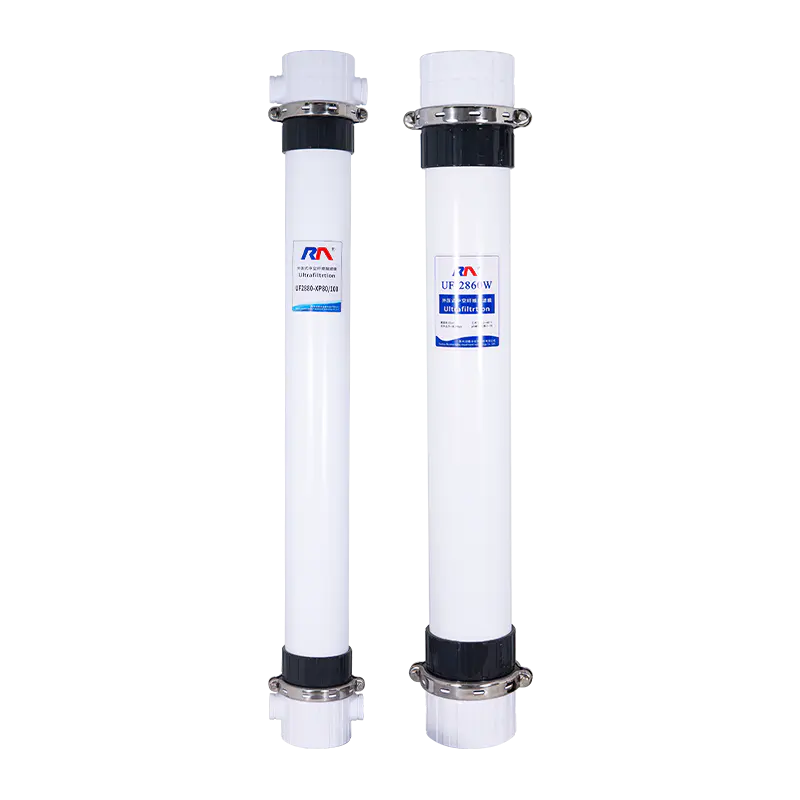
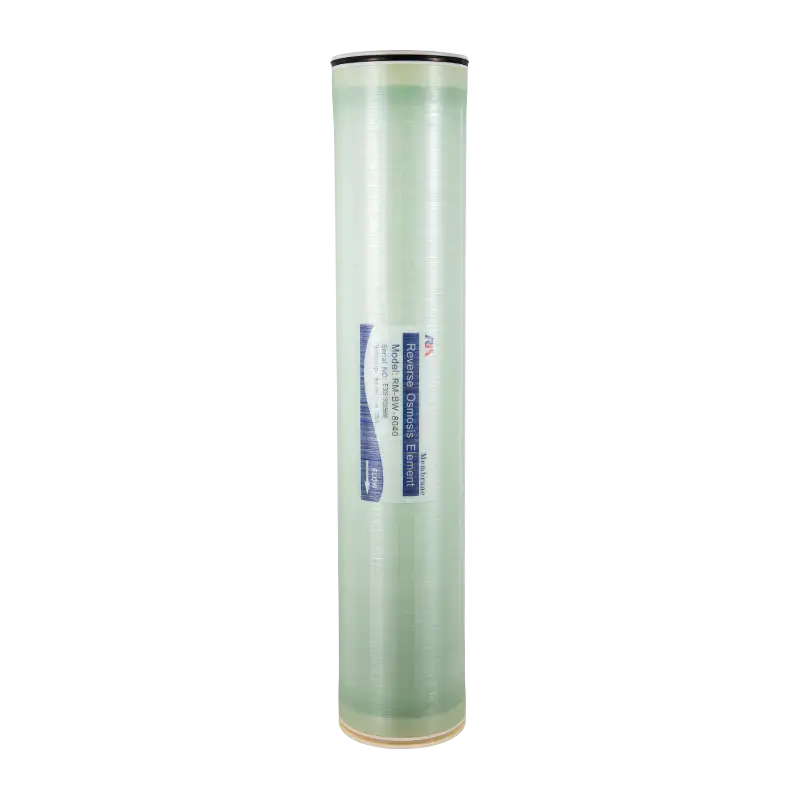
Advanced fluid purification relies on sophisticated separation components and comprehensive engineering services that address complex municipal and industrial challenges. We at Runmo provide global customers with end-to-end water treatment solutions, encompassing membrane material customisation, patented system design, project delivery, and after-sales maintenance. Leveraging proprietary research and development capabilities, tailored products like the Runmo reverse osmosis membrane deliver high permeability and exceptional salt rejection under demanding conditions. Connect with the technical advisory team at Runmo today to discuss custom separation configurations for your upcoming fluid treatment initiatives.