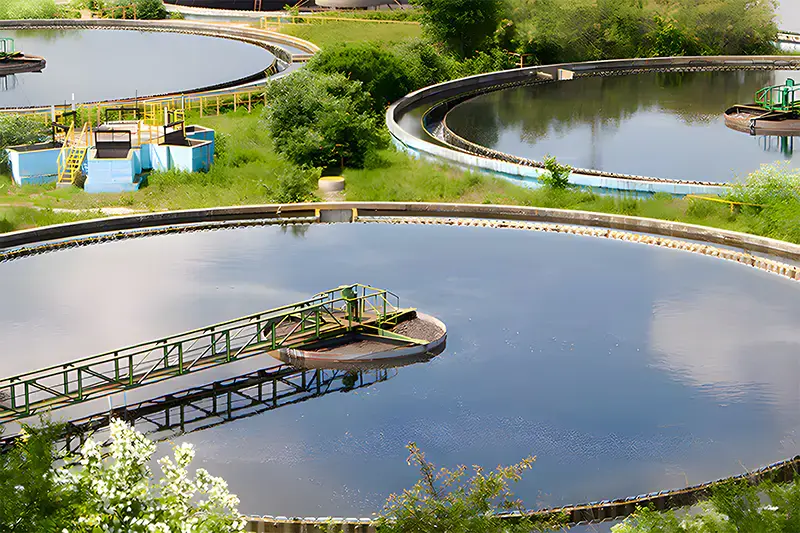
Global climate shifts and expanding municipal populations place intense demands on regional freshwater reserves across modern societies. Industrial facilities and municipal authorities constantly seek innovative engineering strategies to conserve liquid resources and mitigate environmental degradation. Implementing effective recycle and reuse of water practices allows communities to transform untreated wastewater into valuable, high-purity streams. Advanced synthetic separation processes serve as the fundamental backbone supporting sustainable circular water infrastructure worldwide.
The Ecological Imperative of Circular Water Management
Freshwater scarcity threatens economic stability and agricultural productivity across arid regions on every major continent. Traditional linear water consumption models discharge massive volumes of impaired liquid without considering long-term environmental consequences. Conventional treatment approaches—such as chemical coagulation, sedimentation, and sand filtration—often require large physical footprints and rely heavily on flocculants and disinfectants that can introduce secondary contamination into treated water. These methods are also limited in their ability to remove dissolved salts, heavy metals, and persistent organic compounds, making true water recycling difficult to achieve in practice.
Membrane-based separation addresses these limitations by providing a physical barrier that selectively removes contaminants without adding chemical agents. Ultrafiltration and reverse osmosis systems can be deployed in modular configurations, requiring significantly less space than conventional treatment trains while delivering higher quality effluent suitable for direct reuse. The transition from chemical-dependent to membrane-driven treatment thus represents a genuine improvement in both water quality and operational flexibility.
For industrial operators and municipal authorities, the practical outcome is clear: membrane technology enables a shift from “treatment for discharge” to “treatment for reuse.” We at Runmo support this transition by offering membrane products designed to operate reliably across diverse feedwater conditions, helping facilities move toward sustainable circular water systems with greater confidence and lower long-term risk.
Transitioning toward closed-loop systems requires sophisticated physical barrier networks designed to capture and purify secondary water streams. Modern environmental engineers prioritize the recycle and reuse of water to alleviate stress on depleting natural aquifers.
Preserving regional aquatic ecosystems demands rigorous wastewater treatment protocols that minimize chemical pollutants entering local natural waterways. Industrial operations face mounting regulatory pressure to decrease daily raw water extraction quotas through internal recycling loops. Integrating multi-barrier filtration technologies helps factories achieve strict zero liquid discharge mandates while protecting public health downstream.
Mechanics of Microfiltration in Primary Wastewater Clarification
Raw sewage and industrial effluent contain massive quantities of suspended solids, colloidal matter, and biological pathogens. Microfiltration membranes play a vital role in municipal sewage treatment by trapping large particulate loads before secondary processing stages. These porous barrier networks operate at low hydraulic pressures, making them highly cost-effective for initial liquid clarification tasks. Plant operators rely on robust microfiltration modules to stabilize incoming feed quality across fluctuating municipal networks.
Clearing suspended turbidity prevents premature physical fouling and mechanical damage inside delicate downstream separation units. Technical supervisors monitor silt density indexes continuously to verify that primary clarification stages meet operational efficiency benchmarks. Effective initial separation protects the entire purification train from unexpected pressure spikes and operational downtime.
Ultrafiltration for Advanced Feedwater Purification
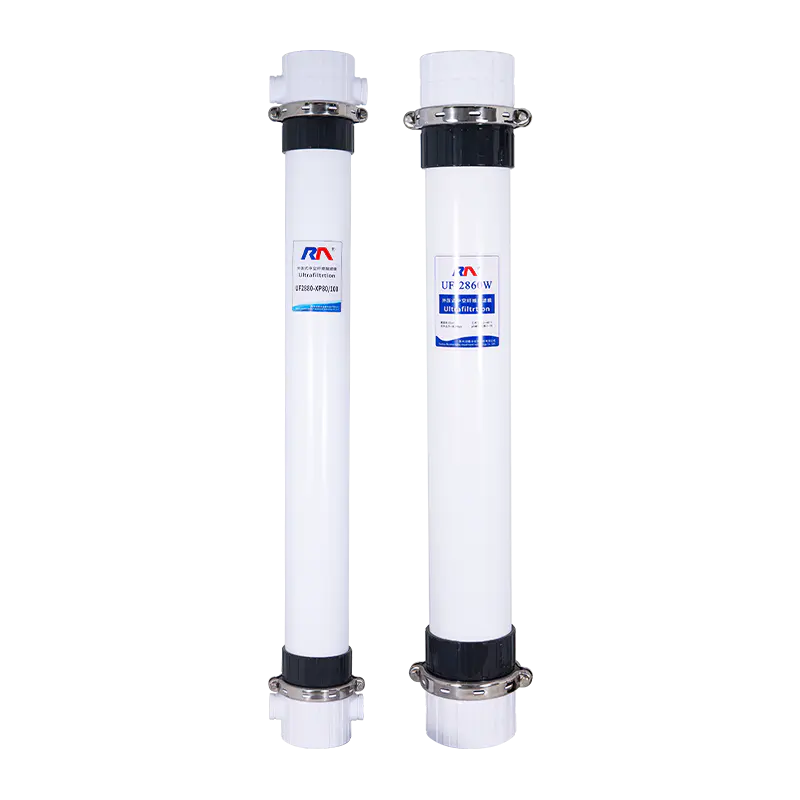
Impaired industrial wastewater and secondary sewage effluents require intensive physical polishing before secondary recycling or reuse applications. Ultrafiltration membranes are widely deployed across municipal and industrial sectors to remove residual colloids and high-molecular-weight organic compounds. These advanced polymeric hollow fibers establish a reliable physical barrier that blocks bacteria and microscopic pathogens efficiently. Facility managers utilize ultrafiltration units to prepare consistent feed water for sensitive downstream desalination modules.
Optimizing cross-flow fluid dynamics across ultrafiltration modules prevents excessive contaminant accumulation on active separation surfaces. Automated backwashing routines clear trapped debris away from hollow fibers without disrupting continuous facility production schedules. Reliable pretreatment safeguards the structural integrity of primary desalination systems over extended operational lifespans.
Nanofiltration for Ionic Softening and Selective Separation
Specialized industrial processes and municipal softening operations demand targeted removal of multivalent mineral ions from aqueous feed streams. Nanofiltration membranes function as an intermediate separation tier between ultrafiltration and high-pressure reverse osmosis configurations. These specialized surfaces selectively retain hardness-causing calcium and magnesium ions while allowing monovalent salts to pass through freely. Water treatment technicians deploy nanofiltration units to purify municipal supplies and soften hard groundwater sources effectively.
Selective ionic separation allows industrial processors to customize mineral profiles without adding heavy chemical softening agents. Minimizing chemical consumption reduces overall operating expenditures and prevents secondary pollution loads in discharged effluent streams. Precision nanofiltration technology supports diverse manufacturing requirements across chemical and pharmaceutical processing sectors.
Reverse Osmosis for High-Purity Water and Desalination
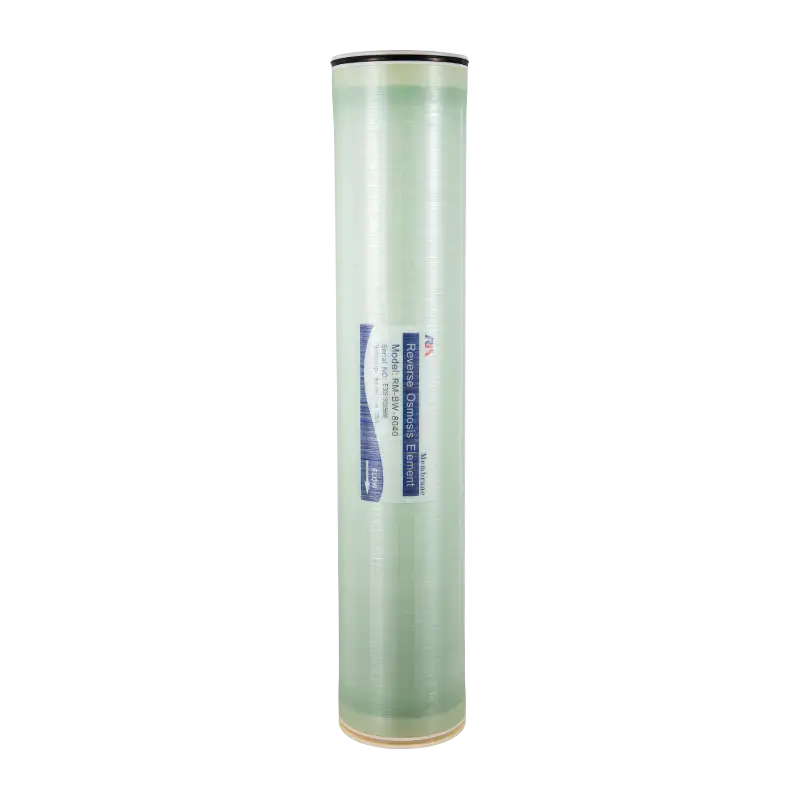
Seawater desalination and high-purity industrial water preparation require the tightest physical separation barriers available in modern engineering. Reverse osmosis membranes utilize high hydraulic pressure to block dissolved salts, heavy metals, and microscopic organic molecules completely. These advanced composite elements transform saline ocean water and impaired industrial wastewater into crystal-clear potable liquid. Plant operators depend on robust reverse osmosis technology to satisfy strict manufacturing purity requirements.
Maximizing water recovery rates through optimized system staging reduces brine volume and enhances overall plant economic performance. Technical teams monitor permeate conductivity daily to detect early signs of salt passage or membrane scaling events. Rigorous operational management secures continuous high-purity water production across demanding industrial environments.
Industrial Wastewater Reclamation and Resource Recovery
Industrial manufacturing plants generate complex wastewater streams containing aggressive chemical solvents, heavy metals, and dissolved mineral salts. Implementing comprehensive recycle and reuse of water strategies enables factories to recover valuable byproducts from concentrated waste streams. Closed-loop recycling loops drastically reduce the volume of liquid effluent discharged into local municipal sewer networks. Industrial processors achieve long-term environmental compliance without compromising daily manufacturing productivity.
Managing difficult industrial wastewater requires durable polymer materials capable of withstanding harsh chemical cleaning solutions safely. Specialized filtration components resist oxidative degradation when exposed to aggressive disinfectants during routine maintenance washing cycles. Environmental engineering innovations continue to bridge industrial productivity with ecological conservation goals worldwide.
Conclusion
Industrial liquid management continues to evolve as global demand for clean resources intensifies across modern society. At Runmo, we provide global customers with one-stop water treatment solutions ranging from membrane material customisation and system design to engineering implementation and technical services. Whether handling industrial wastewater reuse, high-purity water preparation, or municipal supply purification, our team creates efficient, stable system solutions that facilitate the recycle and reuse of water for sustainable operations. Reach out to our technical support department today to discuss custom membrane filtration configurations for your upcoming projects.