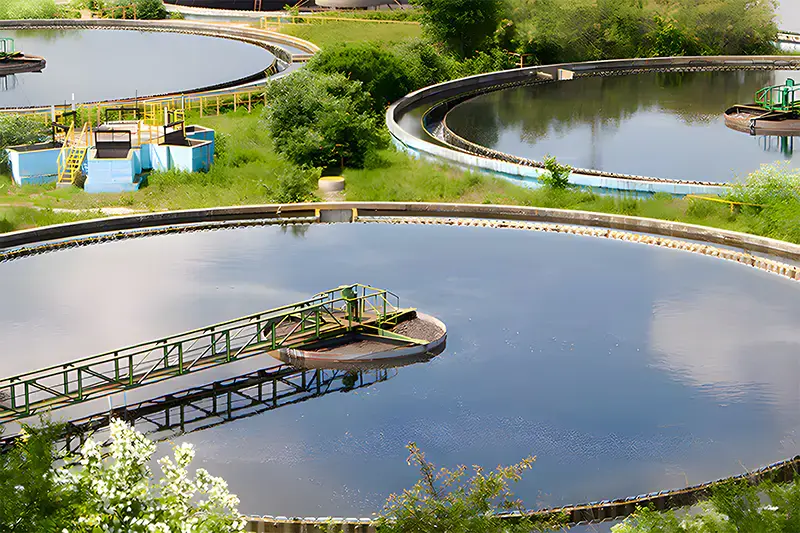
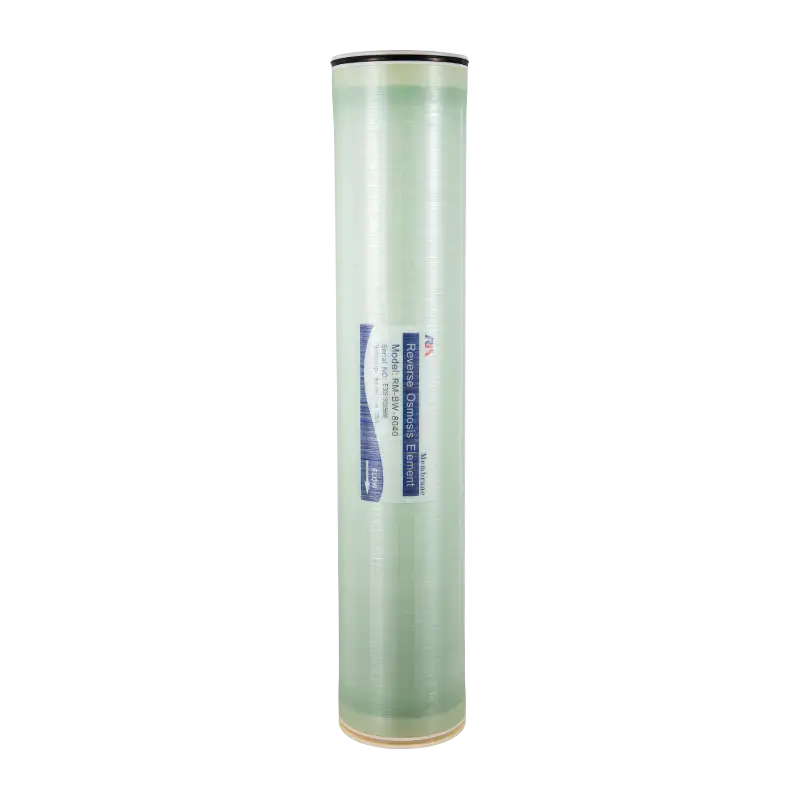
Global water scarcity compels engineers and environmental scientists to develop more efficient methods for purifying impaired water sources. Selecting appropriate physical barriers dictates the long-term economic and operational viability of large-scale municipal and industrial facilities. Finding a dependable RO membrane supplier ensures that commercial plants receive high-performance separation hardware designed for severe operating environments. Exploring foundational filtration concepts empowers facility managers to optimize fluid recovery rates while minimizing overall system maintenance expenses.
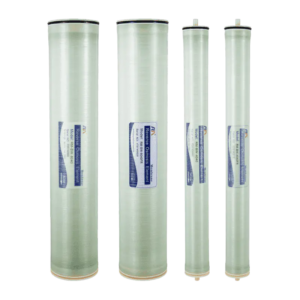
Characteristics of Brackish Water Elements
Underground water sources frequently contain substantial concentrations of dissolved minerals, silica, and microscopic organic residues from surrounding geological formations. Raw feed water originating from deep aquifers often exhibits total dissolved solids levels ranging up to ten thousand parts per million. Specialized filtration configurations target these specific ionic profiles to prevent severe mineral scaling on sensitive interior surfaces. Analytical chemistry assessments help plant engineers determine precise pretreatment requirements before raw liquid enters primary separation loops.
The BW series is an aromatic polyamide composite membrane element engineered specifically for brackish water desalination and high-concentration purification applications. These specialized components exhibit exceptional water production capabilities alongside outstanding salt, total organic carbon, and reactive silica removal efficiencies. Industrial facilities utilize these rugged configurations for boiler feed water preparation and general manufacturing processes worldwide. Partnering with a professional RO membrane supplier allows engineers to acquire these specialized elements for demanding inland projects.
Surface Modification Strategies for Extended Lifespan
Biological growth and particulate accumulation present persistent operational hurdles during continuous inland desalination and municipal purification processes. Modern manufacturing techniques modify membrane surfaces to alter electric charge dynamics and enhance physical smoothness significantly. Increasing surface hydrophilicity discourages the adhesion of suspended pollutants and microorganisms onto active filtration areas. The NF series incorporates these advanced surface modifications to reduce contamination risks and extend operational lifespans.
Minimizing biological fouling decreases the frequency of aggressive chemical cleaning cycles required during routine maintenance schedules. Plant operators benefit from extended service intervals and more stable transmembrane pressure profiles over extended operating hours. Enhanced surface durability translates directly into lower long-term operational expenditures for commercial desalination facilities. Sourcing these modified elements through a certified RO membrane supplier secures reliable performance across challenging industrial sectors.
Pretreatment Protocols and Suspended Solid Removal
Upstream clarification stages play a decisive role in protecting sensitive polyamide separation layers from premature mechanical damage and fouling. Coarse screening, multimedia filtration, and ultrafiltration modules capture suspended silt and biological matter before fluid reaches high-pressure pumps. Neglecting upstream pretreatment often triggers rapid particulate fouling and irreversible membrane channel blockage across commercial loops. Plant supervisors monitor silt density indexes daily to verify that raw feed water meets strict inlet quality criteria.
Deploying comprehensive multi-barrier protection safeguards delicate polymer structures against sudden chemical shock and physical abrasion during operation. Minimizing particulate loading reduces overall chemical cleaning requirements and lowers long-term facility maintenance expenditures substantially. Integrated pretreatment strategies secure continuous high-pressure performance across challenging industrial operating environments. Consulting an experienced RO membrane supplier helps technical teams design comprehensive pretreatment trains for complex raw water profiles.
Conclusion
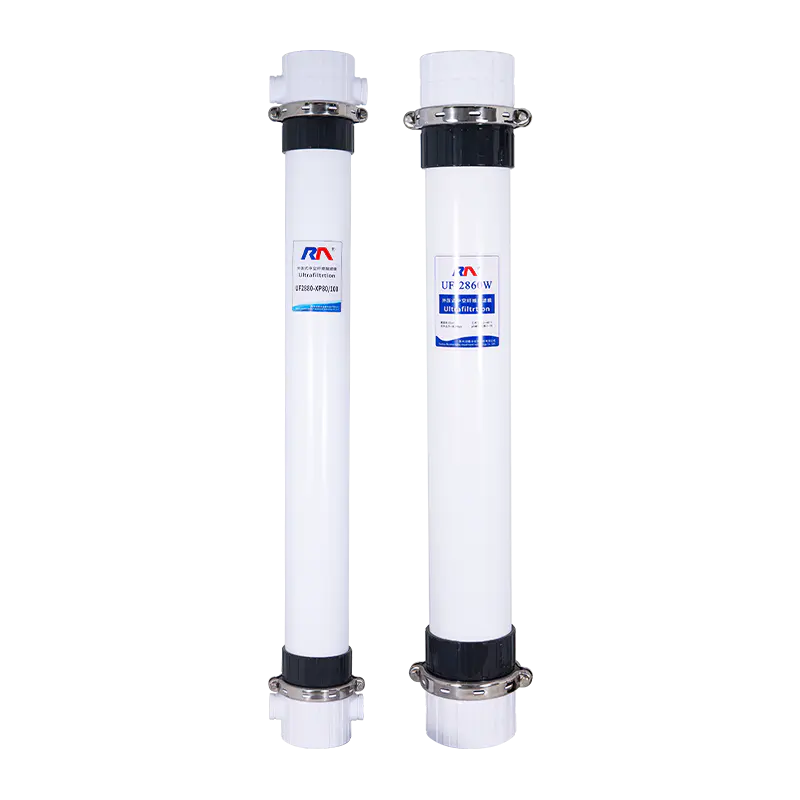
As global demand for clean water and efficient resource recovery continues to rise, industrial liquid management has evolved into a field defined by innovation and environmental responsibility. At Runmo, we are proud to contribute to this progress through the development of high-performance separation components—our portfolio includes advanced reverse osmosis and ultrafiltration membranes engineered for reliability across diverse applications.
We serve municipal water suppliers, industrial recyclers, chemical manufacturers, and electronics producers worldwide, and we take pride in understanding the unique challenges each sector presents. We invite facility managers and project engineers to connect with our technical advisory team—we are always ready to explore custom membrane solutions tailored to upcoming water treatment initiatives.